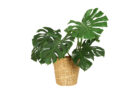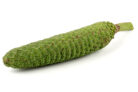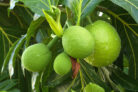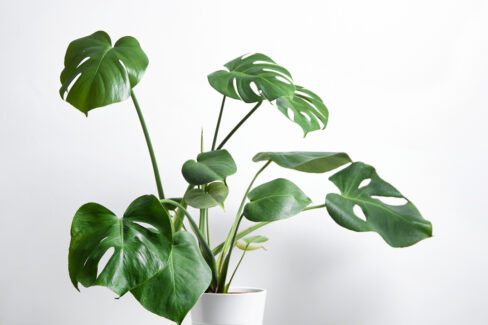
While the *Monstera deliciosa* is famous for those iconic, holey leaves, its flowers are a whole different story. If you’re lucky enough to have one bloom, you’re in for a treat—literally! Beyond the cool look of the blossom, it actually produces a delicious, edible fruit.
The Long Wait for Blooms
The Swiss Cheese Plant (as we often call it) is a staple in the indoor jungle community. These plants are incredibly long-lived; in fact, a healthy Monstera can live up to 200 years, meaning it could literally outlast us! Because they play the long game, they aren’t in any rush to flower. It usually takes about ten years of growth before you’ll see your first bloom. When it finally happens, here’s what to look for:
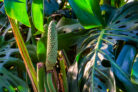
- A flower spike emerges from the leaf axil.
- Each spike holds a single blossom.
- The flower features a cylindrical center (called a spadix).
- This center is wrapped in a creamy white, leaf-like hood (the spathe).
- The flowers are hermaphroditic (containing both male and female parts).
- They can pop up at any time of year.
- Once pollinated, the fruit takes a full twelve months to ripen.
Since there’s no specific “flowering season,” it’s totally normal to see closed buds, open flowers, and ripe fruit all hanging out on the plant at the same time. Just a heads-up: while the ripe fruit is a delicacy, every other part of the plant is strictly off-limits for eating.
A Note on Toxicity
You definitely want to keep the leaves and flower petals away from your mouth. Every part of the Swiss Cheese Plant—except for the fully ripe fruit—contains toxins. If ingested in large amounts, it can lead to some nasty symptoms like stomach pain, nausea, and vomiting. Stick to the fruit, and make sure it’s ripe!
Pro-Tips for Growing Edible Fruit
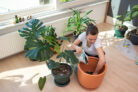
If you’re dreaming of harvesting your own Monstera fruit, you’ll want to be mindful of what you’re feeding your plant. Since you’ll be eating the “crop,” I always recommend sticking to a purely organic fertilizer. A liquid organic worm casting fertilizer is a fantastic choice because it’s free of synthetic additives. From April through August, mix your organic fertilizer into your watering can every two weeks. This gives your Monstera the nutrients it needs to produce healthy, delicious fruit that you can enjoy without any worries.