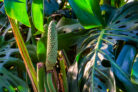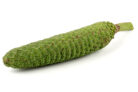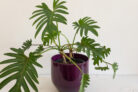
If you’ve managed to nail the perfect spot for your Philodendron and kept up with its care, this exotic beauty might just reward you with a bloom or two. If those flowers get pollinated—usually by manually transferring pollen from the male to the female parts—you’ll eventually see a long, green fruit develop. But before you think about taking a bite, there are a few things you should know. Here’s the lowdown on whether Philodendron fruit is actually edible:
Proceed with Caution: Can You Eat Philodendron Fruit?
If you’ve ever caught a whiff of a Philodendron in bloom, your appetite probably vanished pretty quickly! Popular varieties, like the *Philodendron bipinnatifidum*, actually heat their closed flowers up to about 100°F (38°C). This heat helps the plant pump out a scent that smells quite a bit like rotting meat to attract pollinators. Not exactly mouth-watering, right?
Beyond the smell, there are some serious health reasons to keep this fruit off your plate:
- The soft pulp contains high levels of toxic oxalic acid.
- It’s packed with calcium oxalate crystals (which look like tiny needles), causing immediate swelling of the mouth and throat.
- Various irritants in the fruit can lead to nasty side effects like nausea, vomiting, and diarrhea.
As long as your fruiting “Tree Friend” is kept out of reach of kids and curious pets, those cucumber-like fruits look pretty cool and can stay decorative for weeks. Just make sure everyone in the house knows they are strictly for looking, not tasting!
The “Fake” Philodendron with Edible Fruit
In the world of botany, there are a few cousins in the Aroid family that look almost identical to the Philodendron. In fact, you’ll often see *Monstera* plants labeled as “Philodendrons” at the garden center. This mix-up can be a bit dangerous because, unlike the true Philodendron, the fruit of a Swiss Cheese Plant (*Monstera*) is actually edible and quite tasty.
The Tropical Treat of the Monstera Deliciosa
The fruit of the *Monstera deliciosa* has a texture similar to a banana but tastes like a mix of pineapple and strawberry. It’s so good that its name literally means “delicious.” However, there’s a catch: you can only eat it when it’s perfectly ripe. You have to wait until the green, scaly skin naturally peels away from the flesh; otherwise, it still contains those irritating crystals.
One quick reminder: even though the *Monstera* fruit is a treat, every other part of the plant—from the flowers and foliage to the roots—is just as toxic as a Philodendron. Keep those green thumbs safe!
JL