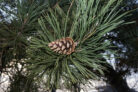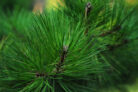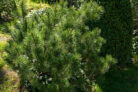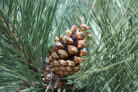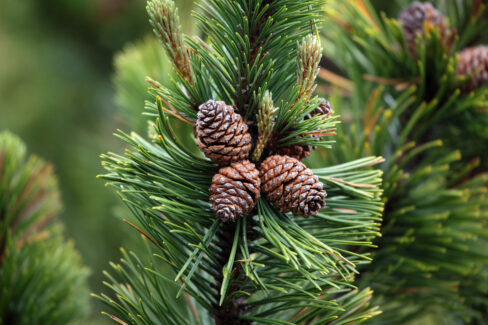
The little cones hanging from pine trees might look pretty modest, but they’re actually full of surprises! If you’ve ever wondered what makes these woody little fruits tick, you’re in the right place. Let’s dive into everything you need to know about pine cones—from how they grow to how you can use them in your own backyard.
What exactly is a pine cone?
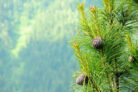
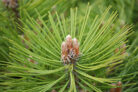
Just like other conifers, the pine tree produces cones. They have that classic, egg-like shape that most of us could recognize with our eyes closed. While they’re hanging out on the branches, they’re busy maturing. Once they’re ready, the scales open up to release the pine seeds. Essentially, the cone is nature’s clever way of helping the pine tree reproduce and spread its roots.
Quick Facts & Appearance:
- Type: Cone (Strobili)
- Shape: Ovoid or egg-shaped
- Color: Starts out green, turns brown as it matures
- Size: Usually between 1 and 3 inches long
When do pine cones start growing?
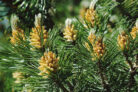
Don’t expect a brand-new sapling to start dropping cones right away. A pine tree needs a few years to find its footing first. It puts all its energy into growing tall and developing a rock-solid root system to withstand those windy storms. Usually, it takes about 10 to 15 years before a pine tree blooms and produces its first cones.
Also, pine trees aren’t always on a strict annual schedule. Generally, you can expect a good crop of cones every two years—provided the tree is happy, healthy, and getting plenty of nutrients and water. The cones typically reach full maturity between September and October.
If your tree hasn’t produced cones in several years, it might be a “cry for help.” Check your pine tree’s location and soil conditions. If the tree is stressed by drought or poor soil, it’ll skip the fruit-making process to save energy.
The secret life of seeds
The seeds inside a pine cone are like little hidden treasures. When the cone is green or tightly closed, those seeds aren’t going anywhere. It’s only when the weather gets dry and the cone matures that the scales pull back to let the seeds fly free.
If you’re out for a stroll in a pine grove at just the right time, you might even hear a faint “crackling” sound. That’s the sound of the cones snapping open! Once they’ve done their job, the cones either fall to the forest floor or hang onto the branches for a while. These fallen cones are, of course, a favorite for holiday crafts and DIY home decor.
If you’re looking to grow your own pines from scratch, you can easily harvest the seeds yourself. Just find a closed cone and bring it inside. Place it on a towel near a heater or another warm, dry spot. The warmth mimics a dry spell, causing the cone to pop open and release the seeds. From there, it’s actually pretty easy to get those seeds to germinate!