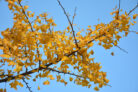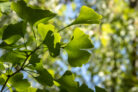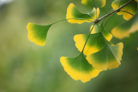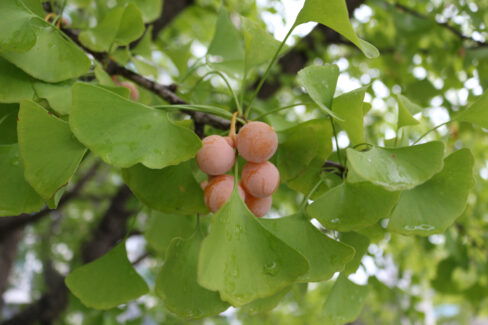
Most people plant Ginkgo trees for those gorgeous, fan-shaped leaves, but did you know some of them actually produce edible fruit? It’s a bit of a hidden gem in the gardening world, mostly because the smell of the fruit doesn’t exactly scream “delicious snack” at first!
Male and Female Plants
Ginkgos are “dioecious,” which is just a fancy way of saying there are separate male and female trees. If you’re hoping for a harvest, you’ll need at least one of each planted close to each other for pollination. The tricky part? It takes years for a Ginkgo to even start flowering, so it’s hard to tell what you’ve got early on.
If you’re serious about getting fruit, your best bet is to plant a few trees. This increases the odds that you’ll end up with at least one male and one female in the mix.
You can tell them apart by their blooms: male Ginkgos have noticeable, long catkins, while the female flowers are pretty low-key. They don’t have petals and actually look a bit like tiny, unripe acorns.
A Decades-Long Wait for Fruit
If you want to harvest Ginkgo fruit, you’re going to need some serious patience—or you’ll need to plant a very mature tree. A Ginkgo won’t even think about flowering until it’s at least 20 years old, and honestly, 30 years is more common. If you live somewhere with harsh winters, the tree might take even longer to reach that first milestone.
The “Stinky” Situation
While Ginkgo leaves are edible, the fruit is a different story. To be clear, you don’t eat the fleshy outer part—and trust me, once you smell it, you won’t want to! The pulp has a notoriously “stinky” odor, which is why we only go for the inner nut. These kernels are a staple in many Asian dishes, prized for their unique, slightly nutty flavor.
Pro tip: If you’re harvesting the fruit yourself, wear gloves. Disposable ones are perfect. If you handle the fruit with bare hands, that pungent smell can stick to your skin for weeks!
Keep those gloves on while you peel away the pulp. If the fruit is fully ripe, you can usually just rub it off under running water. Once cleaned, lay the seeds out to dry. You can then crush them or use a spice grinder to add a gourmet touch to your favorite stir-fries or soups.
Growing Your Own from Seed
If you’ve hit the jackpot and have a tree that’s already fruiting, you can actually grow new plants from the seeds. Come March, you can plant the seeds directly outdoors. The spring temperatures are usually just right to get those little Ginkgos sprouting!