Over in Europe, you’ll often find mulberry trees standing tall as protected natural monuments. But here’s a fun bit of history: back in the day, people weren’t planting them for those tasty berries. They were actually growing them to feed some very specific little guests.
Feast for Silkworms
Mulberries originally hail from parts of Asia and Africa. Depending on where they ended up, people found all sorts of uses for them. In places like Germany, the trees were introduced specifically because their leaves are the favorite snack of silkworms. The goal was to kickstart a local silk industry and stop relying so much on imports from Asia.
However, the rise of modern pesticides pretty much ended that dream. It turns out both mulberry trees and silkworms are incredibly sensitive to chemicals. So, if you’re planning to plant a mulberry tree yourself, make sure your neighbors aren’t going heavy on the industrial sprays!
Planting Your Own Trees
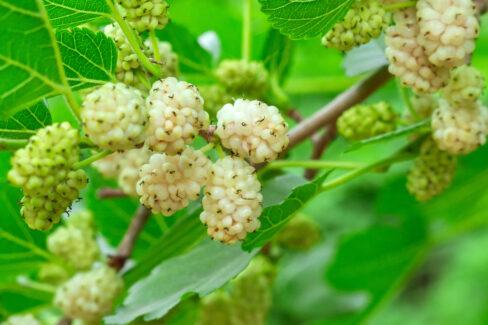
If you can find the right spot for a mulberry tree, I highly recommend adding this exotic beauty to your garden. There are a few different varieties out there, but the most common ones you’ll see are the Black and White mulberries.
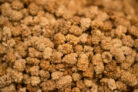
Generally speaking, these trees love a warm, sunny spot. They actually thrive in wine-growing regions because they enjoy that same mild climate, which leads to a massive harvest. Once you’ve got your berries, there’s so much you can do with them. One of my favorite tricks is to dry the berries—they make a fantastic, sweet addition to your morning oatmeal or granola.
Winter Protection
While mulberries are tough, they are only partially winter-hardy during their first few years. If you have a young sapling, you’ll definitely want to give it some extra protection from the frost, especially if you live somewhere with biting winter temperatures.
Once the trees get older, they usually handle the cold like pros and don’t need much help. You might see a little bit of frost damage on the very tips of the branches after a particularly brutal cold snap, but the tree itself will almost always bounce back just fine!