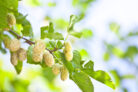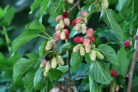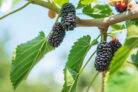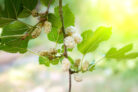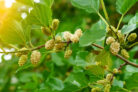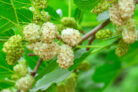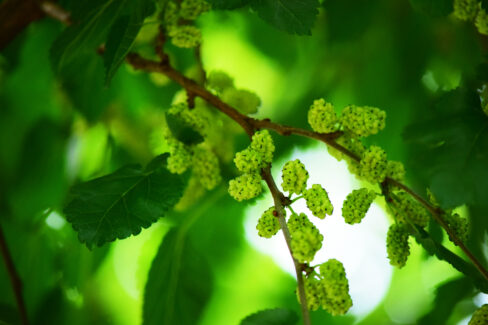
Both black and white mulberry trees can actually do quite well outdoors here, provided you give them the right start. The secret to getting a great harvest within just a few years is all about picking a cozy, sheltered spot for your sapling.
The Perfect Spot
When it comes to mulberries, think “sun-drenched.” While these trees are tough enough to handle winters in cooler climates, a really harsh frost can still damage the branches. Plus, the more sun they get, the sweeter and more flavorful the berries will be!
I highly recommend planting them on the south side of your property, ideally near a house wall. These walls act like a natural radiator—they soak up the sun’s heat during the day and slowly release it at night, which helps keep your tree a little warmer during those chilly winter months.
Soil & Substrate
Mulberries aren’t too picky, but they definitely prefer soil that is loose and well-draining. They have a bit of a “sweet tooth” for lime-rich (alkaline) soil. While they are pretty adaptable, they’ll really take off if the soil is nutrient-rich. If your chosen planting site has heavy or poor soil, just mix in some good quality compost to lighten things up.
It’s also a good idea to check your soil’s lime content. If it’s a bit low, you can easily boost it by adding some garden lime in the spring and fall.
Planting Your Tree
Timing is everything! I suggest planting your mulberry tree in the early fall. The temperatures are milder and the air is more humid, which means there’s much less risk of your new tree drying out before it gets established.
Here’s a quick step-by-step guide:
- Dig a hole that is at least twice as wide and deep as the root ball.
- If you have heavy clay soil, toss a layer of coarse gravel at the bottom for drainage.
- Mix your garden soil with some compost and fill the hole partway.
- Gently remove the tree from its pot and loosen the roots a bit.
- Set the tree in the hole.
- Fill the rest of the hole with your soil mix.
- Press the soil down firmly to remove air pockets.
- Stake the tree to give it some extra support while it grows.
One pro-tip: If you have a lot of voles or gophers in your area, consider using a root guard or wire basket. Placing this around the root ball before planting will keep those pesky critters from snacking on your tree’s foundation!