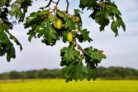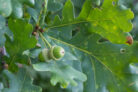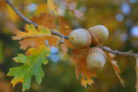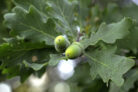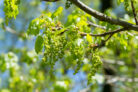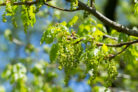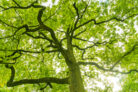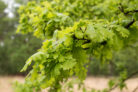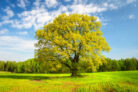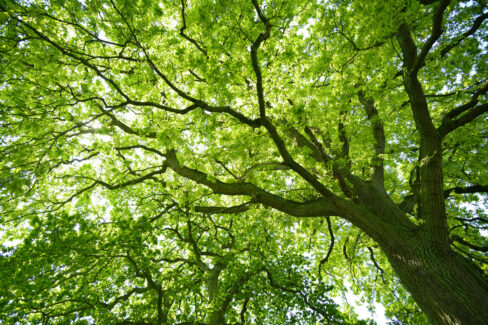
When you think of a classic, sturdy tree, the oak is probably the first thing that comes to mind. In Germany, it’s more than just a tree—it’s a cultural icon. Its leaves are symbols of strength, and many ancient oaks in public spaces are actually protected by law. You can’t just go trimming them without a permit!
Where You’ll Find Them
While we have plenty of varieties in the States, Germany is home to several specific types. Along with the White Oak and Sessile Oak, the English Oak (or Pedunculate Oak) is incredibly common. In fact, it’s often called the “German Oak.” Globally, oaks are everywhere—scientists estimate there are nearly 1,000 different species and subspecies worldwide. That’s a lot more variety than most people realize!
Here’s what makes an oak an oak:
- That classic, gnarled growth pattern
- Beautifully lobed leaves
- Acorns that everyone recognizes
- An incredibly long lifespan
People love oaks for their longevity and their high-quality timber. The wood is super durable, making it a favorite for carpenters and woodworkers. Whether it’s heavy-duty furniture or gorgeous hardwood flooring, oak is a top-tier choice for building things that last.
The Oak’s Place in History
Oak trees have been part of the landscape since the time of the Celts. Back in the day, these gnarled giants often sat right in the center of a village, serving as a natural meeting spot for the community. Believe it or not, some of those ancient trees are still standing today! An oak can live to be over 1,000 years old. Because of that, many old oaks are designated as historical monuments. Some are so famous they even have their own Wikipedia pages.
Starting in the 18th century, the oak became a national symbol in Germany. Later on, it took on a new meaning as a “peace tree,” often planted to commemorate harmony between nations. You’ll still see politicians planting oaks at memorial services today for that very reason. But you don’t have to be a diplomat to appreciate them—they’re just as beloved in private backyards as they are in grand public parks.