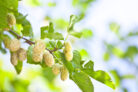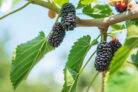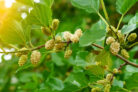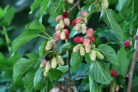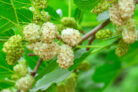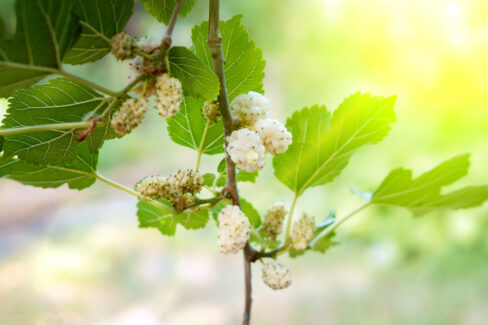
Mulberries are one of those “forgotten” fruits that are finally having a major comeback! These trees are incredibly hardy and naturally resistant to most pests and diseases. That said, even the toughest tree can run into a few hiccups. Here’s what you need to look out for to keep your mulberry thriving.
Drought Stress
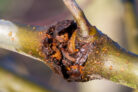
One of the biggest challenges for trees planted outdoors is long stretches of dry weather. When a mulberry tree gets thirsty for too long, it gets stressed out, making it an easy target for fungal or bacterial infections. Luckily, these issues usually stay pretty localized.
How to fix drought damage:
- Prune away any infected branches, cutting back well into the healthy wood.
- Remove any completely dried-out sections.
- During dry spells, give the soil a deep, thorough soaking several times a day.
Pro tip: Don’t toss those infected clippings onto your compost pile! The composting process doesn’t always get hot enough to kill off pathogens, meaning you could accidentally spread the disease to the rest of your garden later.
Road Salt in the Soil
If you’re growing your mulberry near a driveway or street, keep an eye out for road salt. Salt buildup in the soil is a silent killer—it weakens the tree’s overall health, making it way more vulnerable to pests. You really want to keep salt as far away from the root zone as possible.
Tips for protecting your trees:
- Give your tree a good drink of water periodically during the winter to help flush out and dilute salt concentrations.
- If you’re near a road, set up some drainage so salty runoff doesn’t flow right into your garden.
- When planting, try to keep your tree at least 12 to 15 feet away from the street.
Dealing with Pests
When grown outdoors, mulberries are pretty much pest-free. However, some varieties aren’t fully cold-hardy and need to spend the winter indoors or in a protected area. This is where spider mites can become a bit of a headache.
Spider mites don’t just suck the life out of the plant; they damage the leaves, creating “open doors” for fungi and bacteria to move in. Just like with outdoor trees, these infections usually stay confined to the spots where the mites were hanging out.
If you spot an infestation, prune off the affected leaves and twigs right away. Spider mites love it when it’s warm and dry, which is typical for indoor winter storage. To kick them to the curb, mist your mulberry regularly with water—they hate humidity and will move out once things get damp!