
If you share your home with a cat, you know they just can’t resist nibbling on anything green. That’s why it’s so important to make sure your indoor jungle is 100% safe for your furry friends. We’ve rounded up seven of the most popular non-toxic plants for cats, plus a little “pro tip” plant your kitty will absolutely love.
[[pflanzen]]
++Pocketbook Plant (Calceolaria Integrifolia Hybrids)
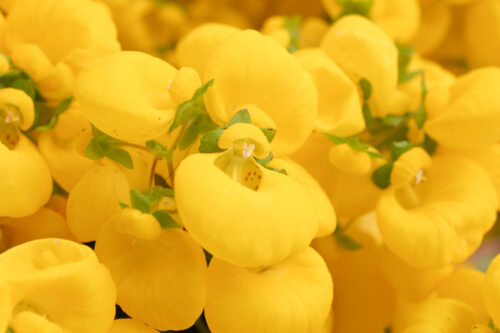
With its unique, pouch-shaped flowers, the Pocketbook Plant is a real showstopper for both indoors and balconies. Since it isn’t frost-hardy, it’s usually grown as an annual. However, as a houseplant, it can reach heights of up to 30 inches, with its upright stems becoming slightly woody at the base over time. Cat owners can breathe easy: both the fuzzy leaves and the vibrant yellow, orange, or red blooms are completely non-toxic.
++Canary Island Date Palm (Phoenix canariensis)
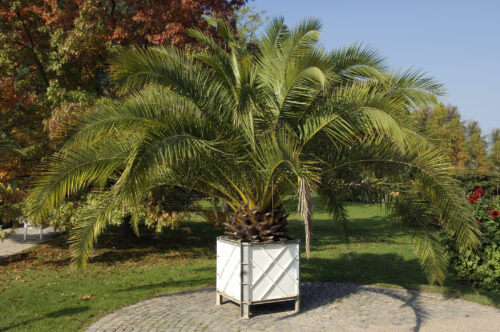
If you’re looking for those tropical vibes, the Canary Island Date Palm is a fantastic choice. Its large, arching fronds make it a stunning focal point for a living room or sunroom. In a pot, it can grow up to six feet tall. While it starts without a visible trunk, one eventually forms from old leaf bases. Every part of this palm is safe for cats, so don’t worry if your little tiger decides to bat at or chew on the fronds.
++Norfolk Island Pine (Araucaria heterophylla)
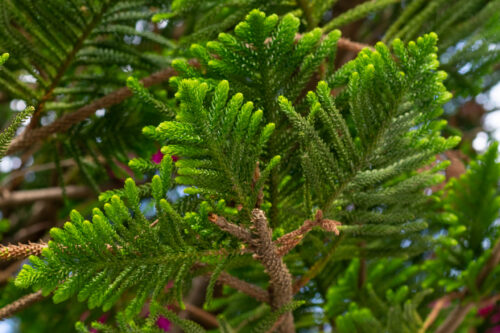
This plant looks just like a classic pine tree, but it’s actually much softer to the touch. This frost-sensitive indoor tree grows straight up with horizontal branches and can reach heights of about six feet. If your cat shows an interest in your “indoor Christmas tree,” there’s no need to panic—it’s entirely non-toxic from top to bottom.
++Coconut Palm (Cocos nucifera)
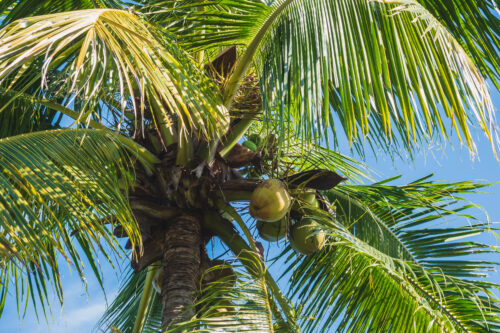
The Coconut Palm is one of the most iconic palms out there and has become a staple in many homes. It grows from a coconut sitting right on top of the soil, sprouting beautiful, feathery fronds. Indoors, these tropical beauties can reach heights of seven to ten feet. While they are safe for pets, the leaves are quite sturdy and stiff, so just keep an eye out to make sure your cat doesn’t accidentally poke their mouth while chewing.
++Jade Plant (Crassula ovata)
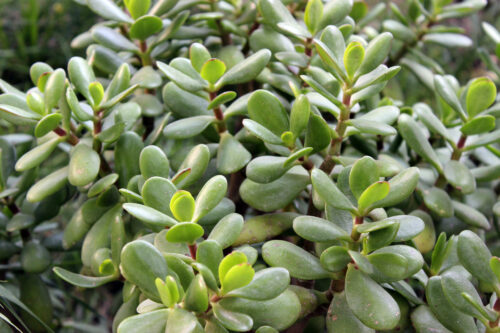
The popular Jade Plant (often called the Money Tree in Europe) is another great cat-safe option. In its native South Africa, it’s actually used as a medicinal plant and even eaten as a vegetable! It gets its name from its thick, succulent leaves that look a bit like coins. Jade plants are incredibly hardy, making them perfect for beginners—they won’t mind if you forget to water them every now and then.
++Catnip (Nepeta cataria)
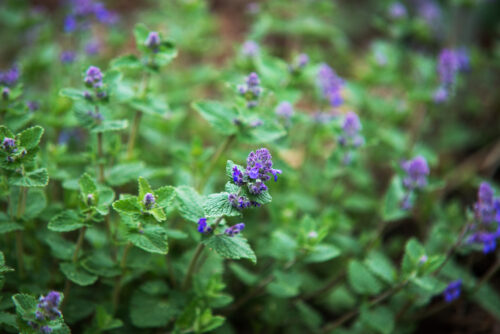
Catnip isn’t just for the garden; it actually makes a great houseplant too! Most cats react to the scent almost magically, often entering a state of pure bliss. You can even rub the leaves on toys or scratching posts to encourage your cat to play. If your kitty decides to snack on the leaves, don’t worry—it’s completely safe and non-toxic.
++Hibiscus (Hibiscus)
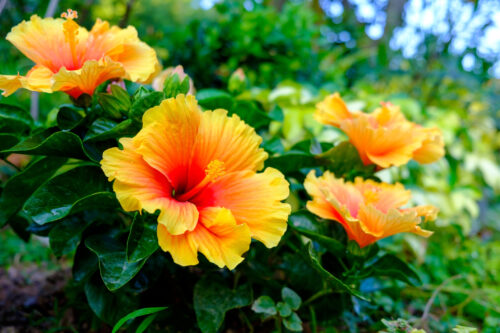
Hibiscus plants are beloved for their massive, colorful blooms in shades of white, yellow, orange, red, and purple. Both the Tropical Hibiscus (Hibiscus rosa-sinensis) and the Hardy Hibiscus (Hibiscus syriacus) are totally harmless to cats. They are fairly easy to care for, but here’s a tip: never let the soil dry out completely, or they might drop their buds or leaves in protest!
%%Umbrella Papyrus (Cyperus zamula)
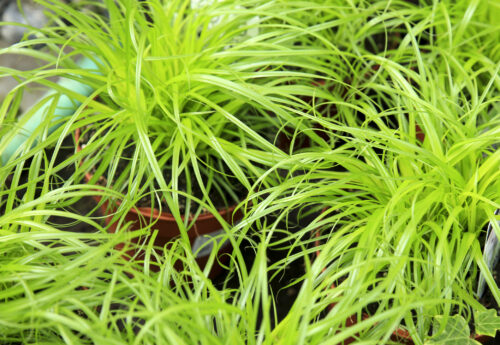
Many cat owners love decorating with exotic Umbrella Papyrus. Cats are naturally drawn to nibbling on these grasses, which can actually be helpful for their digestion. There are several varieties of this grass, and some have sharper or tougher stems than others. When choosing a plant for your cat, look for the *Cyperus zamula* variety. It’s non-toxic and has much softer leaves, so there’s no risk of your cat getting a “paper cut” in their mouth while snacking.