While a mature oak tree is usually the tough-as-nails centerpiece of a backyard, even these giants have a few enemies in the insect world. Several pests can cause some real trouble for your trees if left unchecked. Here’s a breakdown of the usual suspects and, more importantly, what you can do about them.
These are the main pests to keep an eye on:
- Green Oak Tortrix
- Oak Processionary Moth and Gypsy Moth
- Winter Moth and Two-Lined Chestnut Borer
The Green Oak Tortrix
The Green Oak Tortrix is a little moth that usually makes its appearance starting in June. As you might have guessed from the name, it has green wings that grow to about an inch long. These moths lay their eggs on fresh oak shoots, and by the following spring, the hungry caterpillars hatch and start feasting on the oak leaves.
To keep your tree from becoming a buffet, you have a couple of options. One “pro tip” is to plant oak varieties that leaf out later in the spring; these are much less likely to get hit. If you’re already dealing with an infestation, treatments like Bacillus thuringiensis (Bt) or Dimilin work wonders to get things back under control.
Oak Processionary Moth and Gypsy Moth
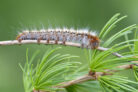
Oak Processionary Moths are famous for spinning those distinctive nests in oak branches. They hide out during the day and munch on the tree at night. A healthy oak can usually handle a few of these guys, but if the infestation gets out of hand—or if your oak is already stressed or sick—it can become a serious issue.
A quick heads-up: these caterpillars have hairs that can cause nasty allergic reactions in humans. If you’re going to remove them yourself, make sure you’re wearing full protective gear! Similarly, Gypsy Moths (now often called Spongy Moths) lay egg masses on the bark that look like little fuzzy sponges.
Winter Moth and Two-Lined Chestnut Borer
The Winter Moth lays its eggs on the tree in late October. When they hatch, they can do a number on the oak’s leaves and blossoms, though thankfully, their “feeding season” is usually pretty short. On the other hand, the Two-Lined Chestnut Borer (a type of jewel beetle) is a bit more sneaky—it lays eggs under the bark.
Once they hatch, the larvae tunnel through the oak trunk, which can really mess with the tree’s health. If you spot damage, you can try pruning away the affected branches or using specific chemical treatments to stop the borers in their tracks.