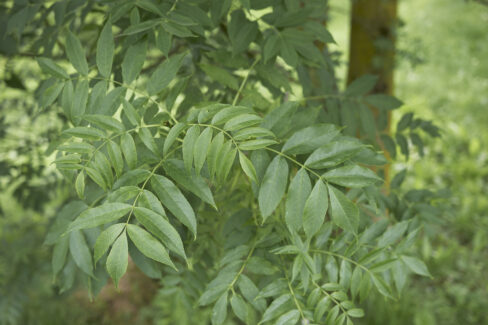
Generally speaking, ash trees are known for being pretty tough and resilient. However, beyond the dreaded ash dieback disease, there are several other pests that love to make a home in these trees. The good news? In most cases, if you act fast, you can prevent serious long-term damage.
Common Ash Tree Pests
While ash dieback is definitely the disease most gardeners worry about, there are a few other creepy-crawlies you should keep an eye out for:
- The ash bark beetle
- The ash bud moth
- The ash flower gall mite
- The ash leaf psyllid
- Aphids
- The ash weevil
Dealing with Ash Bark Beetles
Ash bark beetles are most active in the spring, usually from March to May. They tend to start their work in the tree’s crown, slowly tunneling through the wood. If left unchecked, they’ll eventually work their way down into the main trunk.
Dealing with the Ash Bud Moth
The ash bud moth is a bit of a specialist—it only targets ash trees and ignores everything else in your garden. While these little moths don’t usually kill the tree, they can mess with the growth pattern and lower the quality of the wood.
Dealing with Ash Flower Gall Mites
If you notice your flowers looking distorted or clumped, you’re likely looking at an infestation of ash flower gall mites. You’ll also see green or brown cauliflower-like growths on the twigs. Because they mess with the blossoms, you’ll notice a lot fewer seeds being produced.
Dealing with the Ash Leaf Psyllid
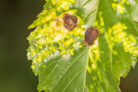
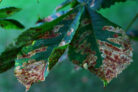
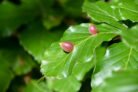
If those green and brown growths aren’t on the twigs but are showing up on the leaves instead, you’ve probably got ash leaf psyllids. They cause the leaves to curl and thicken, creating “galls.”
Dealing with Aphids
Just like in the rest of your garden, aphids (and other lice species) can be a real nuisance for ash trees. They suck the sap out of the foliage, leading to stunted or shriveled leaves.
Dealing with the Ash Weevil
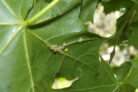
The ash weevil is another fan of the foliage. These beetles don’t just snack on the leaves; they use them as a nursery, too. In the spring, they’ll lay their eggs right on the underside of the leaves.
How to Fight Back
If you spot a pest problem on your ash tree, your first move should be grabbing the pruning shears. Be generous and cut away all the infested parts of the plant. If the infestation is really bad, a radical pruning might be necessary. This removes the pests’ food source and nesting grounds, stopping them in their tracks.
Once you’ve finished pruning, treat the tree with a natural remedy or, for more stubborn cases, a specialized treatment from your local garden center.