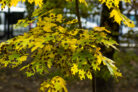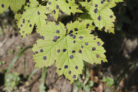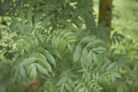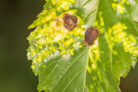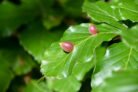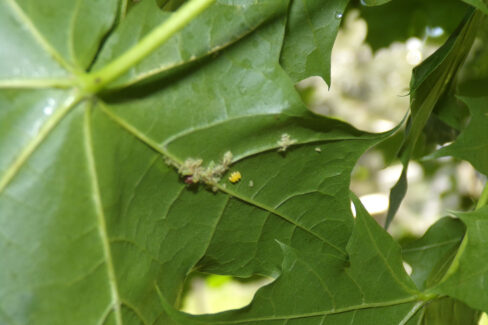
The mighty maple is a pretty tough cookie and can usually handle a few uninvited guests. However, there are a few pests that can cause some real trouble. Among them is a tiny critter that shows up in massive numbers—one that every gardener knows all too well. But it’s not just the little guys; even larger wildlife can have a real appetite for your maple trees.
Aphids Love That Sweet Maple Sap
It’s no secret that maple syrup is delicious—it’s a staple on breakfast tables from North America to Europe. So, it’s pretty easy to see why aphids are so obsessed with maple sap! The problem is that these tiny pests never know when to quit. If left unchecked, they can literally suck the life right out of your tree.
To stay ahead of them, I recommend a little preventative maintenance. Starting from the moment your maple begins budding in the spring, spray the entire tree every two weeks with a diluted stinging nettle tea (mix 1 part tea to 10 parts water). It’s super easy to make, completely natural, and actually doubles as an organic way to fertilize your tree.
How to Effectively Fight Off Aphids
If aphids do manage to find their way onto your maple—which usually happens around July or August—don’t wait around! They multiply incredibly fast, and their destructive power grows right along with their population. For a quick fix, try this tried-and-true homemade remedy:
- Dissolve 50g of soft soap (or 50ml of liquid castile soap) in 1 liter of hot water.
- Add 2 teaspoons of rubbing alcohol to give the mixture an extra boost.
- Once it’s cooled down, pour it into a spray bottle.
- Spray the leaves thoroughly (top and bottom!) until they are dripping wet.
- Repeat this every 2-3 days until the aphids are history.
Pro Tip:
Aphids absolutely hate the smell of tea tree oil. You can create a repellent spray by mixing 1 liter of water with 20 drops of tea tree oil and a little bit of emulsifier (you can usually find this at a pharmacy or specialty shop).
Hungry Rabbits and Deer
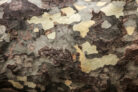
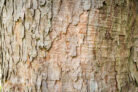
Sometimes fungal infections or frost can cause a tree to lose its bark, but hungry wildlife like rabbits and deer are often the culprits, too. They love to gnaw on the bark, especially on young maples. These bite marks act like open wounds, making it easy for fungi to move in and cause various diseases.
While you probably won’t see deer wandering into a downtown city garden, they are a common headache for gardeners in rural areas. Here are three ways to protect your young trees from being a snack:
- Put up a sturdy garden fence.
- Use tree guards or trunk protectors on individual trees.
- Apply a natural deer repellent spray to the trunk.