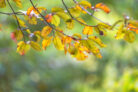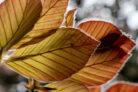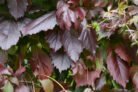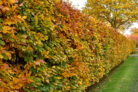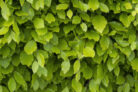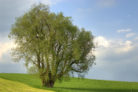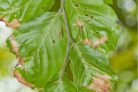
Did you know that you can actually eat young beech leaves and buds? Don’t worry if that’s news to you—most people have no idea! Unfortunately, the same can’t be said for several types of garden pests. Some of these little guys definitely live up to their “pest” reputation and can be a real headache for your trees.
The Most Common Beech Tree Pests
- Beech Aphids
- Beech Leaf Miners
- Beech Jumping Weevils
- Gall Midges
- Spider Mites
Beech Aphids
You might know these as “Woolly Beech Aphids” because of the sticky, white waxy fluff they leave behind. If you have a major infestation, you’ll notice the leaves starting to shrivel up and drop off, which can really stunt the tree’s growth. My advice? Try spraying the tree with a homemade horsetail tea (it’s a great natural remedy!). If certain branches are covered in them, just prune those parts off. Only reach for the store-bought chemical sprays as a last resort.
Beech Leaf Miners
In the spring, the larvae of these moths (which start out white and turn yellowish) love to snack on beech leaves. While the tree usually survives the feast just fine, it can look pretty ragged and unsightly. A pro tip is to encourage parasitic wasps to move into your garden. They are one of the few natural predators that will take care of the leaf miners for you!
Beech Jumping Weevils
These tiny black beetles spend their spring poking holes in your leaves. Later on, their larvae hatch and eat through the leaf tissue, causing the foliage to turn brown and crispy. To make matters worse, a second generation of beetles usually shows up in the summer. While using pesticides is an uphill battle and quite a chore, the good news is that the tree usually handles it on its own without you needing to step in.
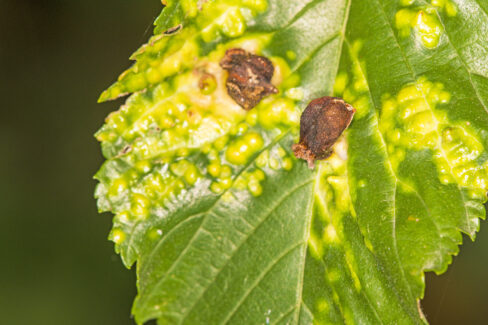
Gall Midges
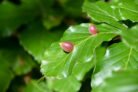
Gall midges cause those weird little bumps or “galls” you see on the leaves. They look a bit strange, but they aren’t actually dangerous to the tree’s health. If the look bothers you, just grab your shears and prune the affected twigs. One important step: make sure to rake up and dispose of fallen leaves in the fall so the pests can’t overwinter and come back for round two next year.
Spider Mites
Spider mites absolutely love hot, dry weather. You’ll recognize them by the fine, silky webs they weave over the leaves, which eventually causes the foliage to die off. Trying to clear these off a massive beech tree is a tough job, but if your tree is still small, you can spray the affected branches with water and temporarily cover them with a plastic bag to create humidity (which they hate).
Quick Tip:
You can buy predatory mites at most garden centers or online. Don’t let the name “predatory” scare you—from a gardener’s perspective, these guys are the “good guys” and will make quick work of your spider mite problem!