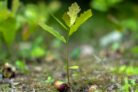
Most of us know oak trees best for their seeds—the iconic acorn! Whether you’re gathering them for fall crafts or hoping to grow a majestic tree of your own, there’s a lot of potential packed into that little nut. Here is everything you need to know about oak seeds.
What Makes an Acorn an Acorn?
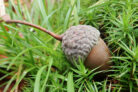
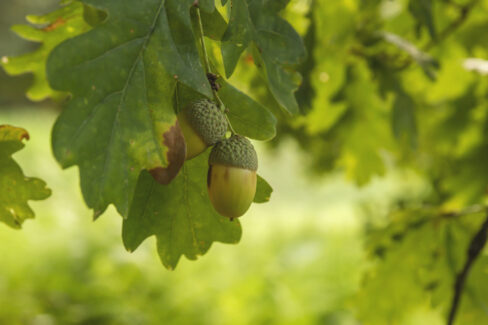
Technically speaking, acorns are a type of nut. While there are countless oak species across the globe, they all produce seeds that look pretty similar after their blooming period. Even if you aren’t a tree expert, you can usually spot an acorn a mile away thanks to these classic features:
Acorn Characteristics:
- Size: Usually between 0.75 and 1.5 inches long.
- Shape: Mostly cylindrical or oval.
- Color: Fresh acorns often have cool little stripes.
- Structure: The seed itself sits snugly inside a “cupule” (that little woody hat).
The exact look of an acorn can vary quite a bit. Not only do different species produce different shapes, but you might even see a variety of colors on a single tree! That’s part of the fun of foraging for them—they’re naturally beautiful, which is why so many people love using them for DIY home decor and kids’ crafts.
When Are Oak Seeds Ready to Harvest?
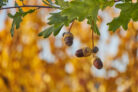
Acorns typically ripen on the branch during the late summer. You’ll start seeing them drop from the trees between September and October. A quick tip: don’t try to pick them off the branches too early, or they might not be fully developed. Usually, each acorn contains one (or sometimes two) seeds ready to grow.
Once they hit the ground, the seeds stay viable for about six months. This means you don’t have to plant them the very second you find them if you’re planning to grow your own oak tree. Just make sure you pick the best ones—look for acorns that are firm and free of tiny holes (which usually mean bugs) or mold. If the acorn is damaged, it probably won’t sprout.