You can see the incredible growth potential of the willow tree just by looking at its seeds. Even though they are tiny, these little guys can grow into massive, majestic trees. If you’ve ever wondered what makes these seeds tick and how you can use them in your own garden, you’re in the right place!
Appearance and Characteristics of Willow Seeds
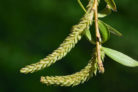
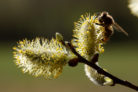
Willow seeds develop on those fuzzy little catkins that look so charming in the springtime. Each catkin holds countless seeds that are designed to travel long distances via the wind or with a little help from local insects. In exchange for the ride, the willow provides a vital food source for bees and other pollinators early in the season.
Typical traits to look for:
- Some of the smallest woody plant seeds in the region
- Maximum length of about 1.5 mm (tiny!)
- Slightly hairy or fuzzy texture
In the spring, willows burst into bloom with those iconic catkins. Many of us love to snip a few branches for Easter decorations or spring vases. Once they bloom, the seeds develop incredibly fast. Depending on the specific variety, the fruit matures within about six weeks. After that, the tree releases its seeds. If you’re planning to collect them, patience is key—you have to wait for this natural release, or the seeds won’t be mature enough to grow.
How to Propagate Willows from Seed
Sometimes, you’ll spot little “volunteer” willow saplings popping up near a mature tree. If that happens, nature has done the hard work for you, and you can simply transplant those babies! However, if you want to start them from scratch using seeds, there’s a bit of a catch. Most willow trees are dioecious, meaning an individual tree is either male or female.
For successful reproduction, willows need to “mingle.” This is usually handled by bees and other insects that carry pollen between the male and female trees, allowing seeds to become viable.
If you’re determined to grow a willow from seed, you have to ensure that pollination actually happened. Even then, it can be a bit of a gamble. Because of this, most pro gardeners and nurseries prefer to skip the seeds and use cuttings instead. When it comes to propagating willows, taking a cutting is definitely the most reliable way to ensure you get a healthy new tree every time.