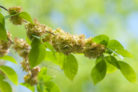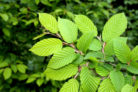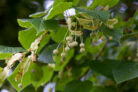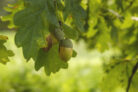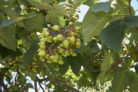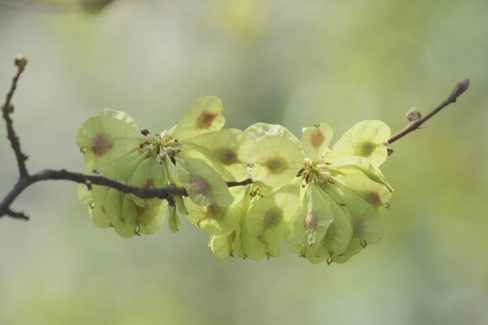
Elm tree fruits might be small and easy to miss at first glance, but they are actually pretty fascinating! Inside those tiny packages lies the seed, which isn’t just responsible for growing new trees—it’s also one of the best ways to tell different elm species apart.
What Do Elm Fruits Look Like?
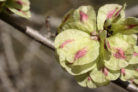
Technically, elm fruits are small nutlets. While they vary depending on the specific species—just like the leaves and flowers do—they generally share a few common traits:
- They usually measure between 0.6 and 0.9 inches.
- They typically grow in little clusters.
- The seed is tucked inside a papery, wing-like casing called a “samara,” which helps the wind carry it to new locations.
How the Fruits Develop
Once the flowers are pollinated, these little fruits start to form. You’ll usually see them developing during May and June. This is also when the seeds ripen inside. Interestingly, even after the seeds are fully mature, they often stay tucked inside their papery husks for a while. This is nature’s way of protecting them, as elm seeds have a notoriously short window of viability for germination.
Using Fruits to Identify Elm Species
If you’re trying to figure out which elm tree you’re looking at, the fruits are a huge clue. For the three main European species, the secret isn’t just the overall shape, but exactly where the seed sits inside that papery wing. Take a close look through the translucent skin:
In the Wych Elm, the seed sits right in the center of the fruit. In the Field Elm, the seed is shifted toward the top, away from the center. The European White Elm has a very distinct giveaway: the edges of its winged fruits are fringed with tiny, fine hairs.
Ways to Use Elm Fruits
In nature, these little nutlets are all about reproduction and providing a snack for local birds and insects.
But did you know they’re useful for us, too? Elm fruits are totally edible and can add a unique twist to your kitchen creations. They have a fresh taste that works great in salads or as a quirky garnish. You can even dry them out and grind them into a fine powder or use them as a crunchy topping for oatmeal or even ice cream! Since the seeds themselves are non-toxic and edible, you can use the whole fruit. The seeds have a soft texture but a very mild flavor profile.
Beyond the kitchen, traditional medicine (especially in China) has long relied on these little nutlets for their soothing and healing properties.