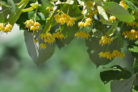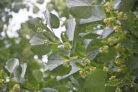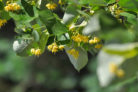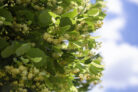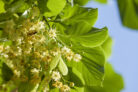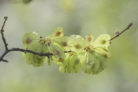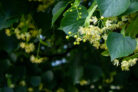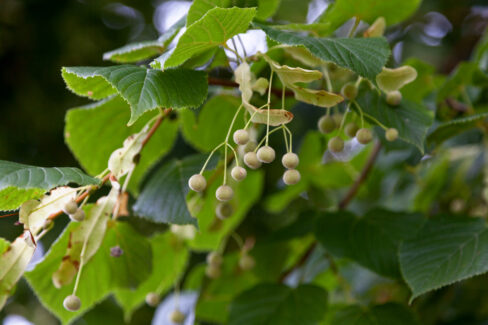
When it comes to plants with a flair for the dramatic, the Linden tree (also known as Basswood or Lime tree) definitely takes the cake with its seed dispersal. Each seed is tucked inside a five-chambered fruit, which is attached to a leafy wing called a bract. This clever design helps the wind carry the seeds far and wide across your yard.
Thinking about sowing a Linden tree?
If you’re dreaming of a Linden tree in your landscape, my best advice is to find the perfect spot and plant a sapling from a nursery. Growing one from seed is really only for those who love a serious gardening challenge and have a ton of patience. It can take years for a Linden seed to germinate and grow into a sturdy young tree. Plus, during those early stages, the little seedlings are pretty high-maintenance and need a lot of protection to survive.
How to collect and sow seeds
Still want to try growing your own Linden from scratch? First, you’ll need to gather some seeds. Since Linden trees are a favorite for bees (right up there with rapeseed), most seeds you find will be fertile. Usually, these seeds sprout the following spring. However, if you harvest the fruit while it’s still green, they might actually germinate right away. Your best bet is to plant a bunch of seeds with a bit of space between them and see which ones look the strongest next spring. To keep them safe from harsh weather, I recommend starting them in pots for the first few years.
Did you know some seeds are edible?
You don’t always have to plant the seeds you find! The soft fruits of the Littleleaf Linden make a great snack right off the tree or can be used in your kitchen. Just a heads-up: the fruits of the Large-leaf Linden are usually too hard to eat. Most people, however, focus on harvesting the blossoms. Linden flower tea is not only incredibly fragrant and delicious, but it’s also a classic home remedy. A warm cup can help with:
- Common colds
- Digestion issues
- Headaches and stomach aches
- Nervousness and anxiety