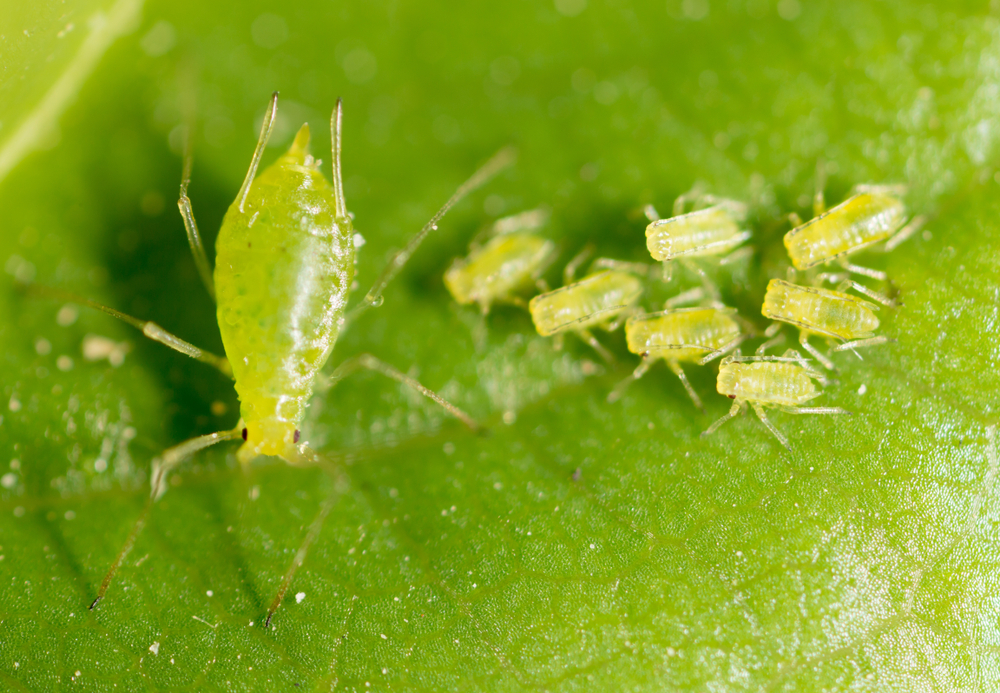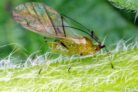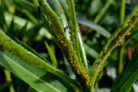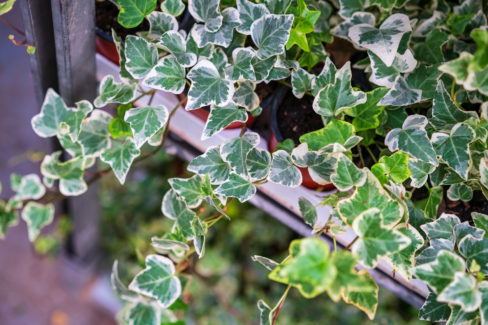
It’s enough to make any plant parent want to pull their hair out: aphids. These tiny pests aren’t picky, and they’ll happily make a meal out of your ivy if the conditions are right. Because they’re so small, they often fly under the radar at first. Usually, we don’t even realize they’ve moved in until our favorite climber starts looking a little worse for wear.
Why Aphids Love Your Ivy
Most of the time, it’s indoor ivy that acts like a magnet for these bugs. Interestingly, the same variety of ivy growing outdoors is much less likely to deal with a major infestation. This tells us that the environment plays a huge role. Experts point to the dry air found in our homes, especially during the winter months. If your ivy is sitting in a spot right next to a heater, you’re basically rolling out the red carpet for pests. And just a heads-up: it’s not always aphids. Ivy is also a prime target for those pesky spider mites.
Prevention is the Best Medicine
Before we talk about how to spot and stop these critters, let’s chat about prevention. Even if you successfully kick the aphids out, they leave your ivy weakened. To keep your plant strong and pest-free, try these tips:
- Avoid spots with harsh, direct sun.
- A shady spot is usually much better.
- Move your ivy away from radiators or vents.
- Run a humidifier nearby.
- Alternatively, place pebble trays with water around the plant.
- Mist your plant regularly with water.
- Make a habit of checking the leaves for uninvited guests.
How to Spot an Aphid Problem
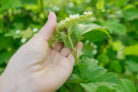
Aphids survive by sucking the sap right out of your ivy (scientifically known as *Hedera*), which steals the plant’s moisture. If your plant looks like it’s drying out or starts dropping leaves, aphids might be the culprits. Take a close look at the foliage, especially the undersides of the leaves. If they’re there, you’ll be able to see them with the naked eye. You might also notice tiny holes in the leaves or a sticky residue known as “honeydew.”
Quick Tip:
If your ivy has brown spots or the leaves are turning completely yellow or brown, you might actually be dealing with a fungal infection. The two most common diseases to watch out for are ivy canker and leaf spot.
Taking Action: How to Get Rid of Them
If you want to save your ivy, you’ve got to move fast. First, move the plant away from your other houseplants so the bugs don’t spread. Then, follow these steps:
- Give the ivy a good rinse in the shower or with a hose to knock the bugs off.
- Prune away any vines that are heavily infested.
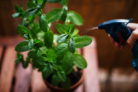
- Spray the entire plant with a natural remedy.
- A simple mix of water and a little dish soap or a stinging nettle tea works wonders.
- Give your ivy a boost with some liquid fertilizer to help it recover.
If a plant is totally covered and looks beyond saving, it’s best to get rid of it quickly to protect your other green friends.
Pro-Tip:
Don’t let the infestation spread! Always disinfect your pruning shears before and after use, and dispose of any sick plant parts immediately.