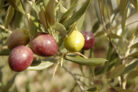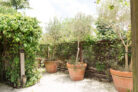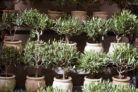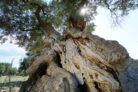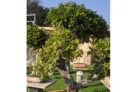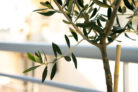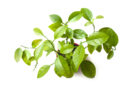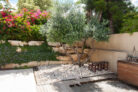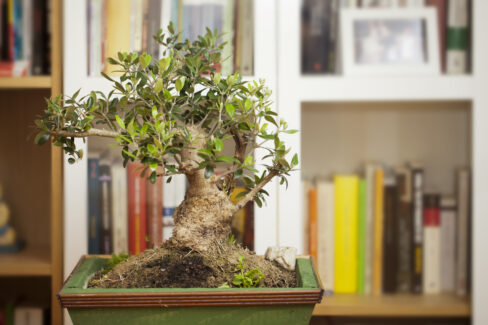
The Japanese art of growing miniature trees is definitely a labor of love, but let’s be real—it can be a bit tricky. Shaping a tree often requires some pretty radical pruning, and not every species is thrilled about being cut back so hard. If you’re just starting out, the olive tree is a total game-changer because it’s incredibly hardy and beginner-friendly.
Olive Trees Are Super Forgiving
In the world of bonsai, a heavy-handed prune can sometimes spell the end for a sensitive plant. But the olive tree? It’s a fighter. Even if you go a little overboard with the shears, a young olive tree will usually bounce back without a problem. The only real catch is that you’ll need some patience—these guys are slow growers, so don’t expect an overnight transformation!
Choosing Your Style
Whether you’ve started from seed or picked up a young sapling at the nursery, you’ll need to decide on a “look” for your tree. There are tons of traditional styles to choose from, including:
- Broom style (Hokidachi)
- Informal upright (Moyogi)
- Formal upright (Chokkan)
- Slanting style (Shakkan)
- Semi-cascade (Han-kengai)
- Full cascade (Kengai)
- Literati (Bunjingi)
- Forest planting (Yose-ue)
Since olive trees naturally like to grow tall and proud, they usually look best in the upright styles.
Wiring and Pruning Tips
To get that classic bonsai shape, you’ll need to use some wire to guide the growth. Pro tip: stick to wiring the younger, flexible shoots. Older branches get woody and brittle, meaning they’ll snap if you try to bend them too far. Wrap your aluminum wire around the trunk and main branches to guide them where you want them to go, but keep it loose enough so it doesn’t scar the bark.
When it comes to pruning, you can technically trim your tree year-round, but the “wounds” heal much faster during the active growing season. Just make sure to treat any cut sites with an antiseptic paste immediately to keep fungi and pests at bay. Happy growing!