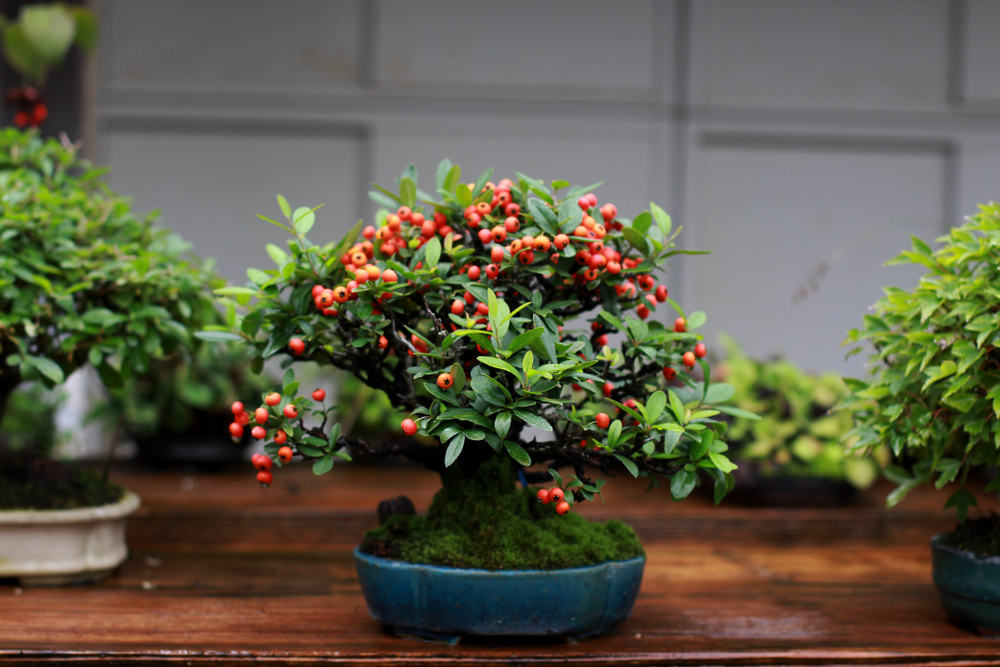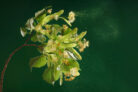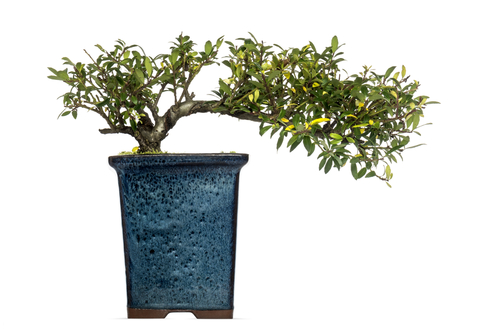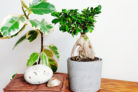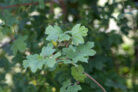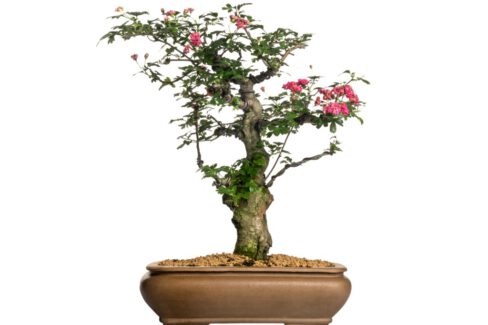
The English Hawthorn (Rotdorn) is a total classic in the garden, whether it’s acting as a privacy hedge or standing tall as a gorgeous specimen tree. But here’s a pro tip for my fellow plant nerds: because it handles pruning like a champ, it’s also a fantastic candidate for bonsai! With a little patience and a steady hand, you can turn this hardy shrub into a stunning miniature masterpiece.
The Basics of Hawthorn Care
First things first: a Hawthorn bonsai is not a houseplant. This little guy needs to live outdoors on your patio or right in the garden. It craves sunshine and a nice breeze. It also prefers soil that’s rich in nutrients and stays consistently moist. Here’s a quick checklist for its basic needs:
- Keep it outdoors year-round in the fresh air.
- Pick a spot with full sun to partial shade.
- It can be grown directly in the ground or in a large pot on the deck.
- Regular pruning is a must.
- Wiring is best done before new growth starts.
- Don’t forget to repot it periodically.
Pruning Your Bonsai
The secret to a great bonsai is staying on top of the trim. To keep that perfect shape, you’ll need to prune both the branches and the roots. Aim to trim back the new shoots about every two months from May through September. When it’s time to repot, give the roots a haircut too—this keeps the top of the tree and the root system in perfect balance.
Shaping with Wire
Wiring is how we get those artistic, wind-swept shapes we love in bonsai. The Hawthorn is pretty easygoing when it comes to wiring. If you want to redirect a branch, wrap it spirally with wire in early spring. Just be sure to remove the wire by mid-May; once the tree starts its summer growth spurt, the branches thicken quickly, and you don’t want the wire scarring the bark.
Repotting and Root Maintenance
Every two years, your Hawthorn will need a new home. This is the perfect time to refresh the soil and trim back the roots to keep the tree miniature and healthy.
Watering and Feeding
While the Hawthorn can survive a brief dry spell, it’ll show its stress by dropping leaves. To keep it happy, make sure it gets plenty of water, especially during those scorching summer months. Just a heads-up: make sure the pot drains well! Standing water is a recipe for root rot.
Once you see those first buds popping in spring, start a regular feeding schedule with an organic granular fertilizer (just follow the label). A well-fed Hawthorn will reward you with a spectacular show of blossoms.
Pests and Diseases
Keep a close eye out for Fire Blight, which can be a serious issue for Hawthorns. If you see infected branches, prune them off immediately and dispose of them (burning is best). While there are chemical treatments available, they can leave residues that affect local honeybees. Since this bacteria spreads like wildfire, if the infection gets too bad, it’s often safest to part ways with the plant to protect the rest of your garden.