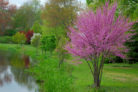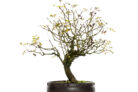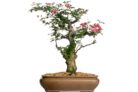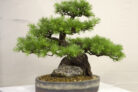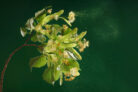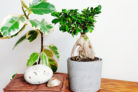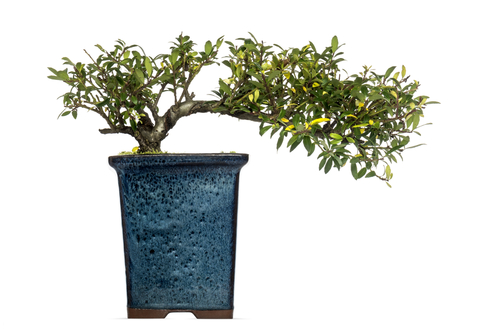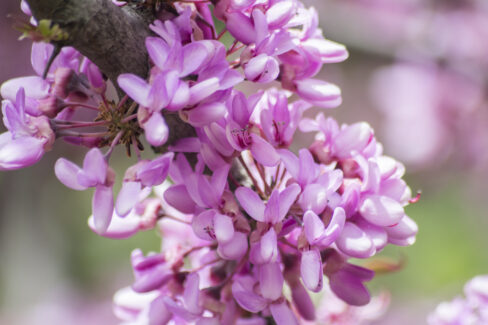
The Redbud (Judas Tree) is an absolute gem for bonsai lovers because it’s so incredibly versatile. Whether you’re dreaming of a formal upright look, a dramatic cascade, or even a twin-trunk or multi-trunk style, this tree can do it all. It’s super resilient, handles pruning like a champ, and is generally tough against diseases. As long as you give it the right TLC, you’ll be rewarded with a stunning decorative bonsai and a spectacular show of flowers. One of the coolest things about the Redbud? It doesn’t just bloom on new growth—it can actually sprout flowers directly from the trunk!
Finding the Perfect Spot
If you want to see those vibrant, head-turning blooms, you’ve got to give your bonsai a spot that’s sunny, warm, and tucked away from harsh winds.
Once your Redbud is acclimated, it can even handle the full intensity of the midsummer sun. The golden rule here, though, is to make sure the soil never completely dries out.
Generally speaking, a south-facing spot is where your Redbud bonsai will feel most at home.
Watering and Feeding
You’ll want to keep the soil consistently moist, but be careful not to let it get waterlogged (no “wet feet”!). For watering, rainwater or tap water that’s been sitting out for a bit is your best bet.
Unlike their full-sized cousins in the garden, Redbud bonsais need regular feeding from May through August. Stick with an organic bonsai fertilizer, but make sure it’s low in nitrogen. Why? Because these clever trees actually have a partnership with specific bacteria that allows them to “fix” their own nitrogen from the air.
Pruning and Wiring
If you’re in it for those gorgeous flowers, wait until after the blooming period is over before you start pruning. However, if you’re more focused on shaping the structure and don’t mind skipping the flowers for a season, you can do your heavy pruning in March.
Don’t forget the roots! A gentle root prune is necessary every two years when you repot to keep the tree vigorous and healthy.
The Redbud also takes well to wiring. Just be sure to remove any wire by mid-May at the latest. If you leave it on too long, it can leave permanent, unsightly scars on the branches as they grow.
Extra Pro-Tips
If your bonsai is refusing to bloom, it’s usually not just bad luck. Aside from pests or disease, there are a few common culprits:
- The wrong location (not enough sun)
- Incorrect fertilizing (too much nitrogen)
- Overwatering
- Soil that is too acidic
- Winter frost damage
Keep in mind that while garden Redbuds are tough, your bonsai version isn’t fully winter-hardy. Late frosts can kill off developing buds or cause dieback. To play it safe, always bring your bonsai indoors to overwinter in a protected environment.