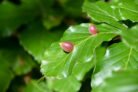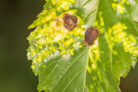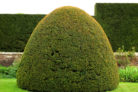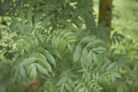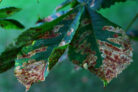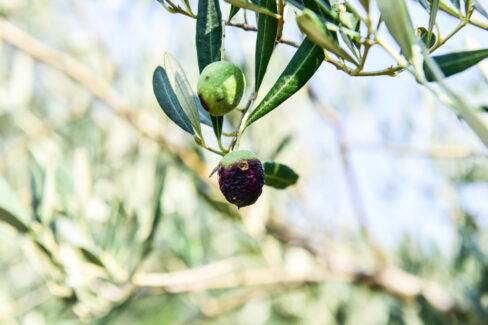
Back in its sunny Mediterranean home, the olive tree is a real tough cookie—super hardy and famous for living for centuries with hardly any pest problems. But let’s be real: our climate here can be a bit of a shock to its system. When an olive tree deals with cooler, damp weather, it gets a little stressed out, making it way more susceptible to uninvited guests and diseases.
Rare Guest: The Olive Fruit Fly
Even with its natural resilience, the olive tree does have one major nemesis down south: the olive fruit fly. These little guys specialize in nesting inside the olives themselves, and they’re a huge headache for commercial growers in Italy or Greece. Luckily for us, since olive trees aren’t exactly growing on every street corner in the States, you almost never have to worry about them here.
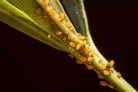
Scale and Mealybugs
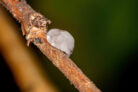
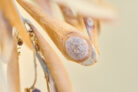
Pests like scale and mealybugs love to pick on plants that are feeling a bit “under the weather.” If you’re growing your olive tree in a pot, it’s most vulnerable right when you move it back outside after winter. This usually happens if its winter home was a bit too toasty. To keep your tree strong, try to overwinter it in a bright, cool spot where the temperature stays consistently around 50°F (10°C).
How to Spot and Stop Them
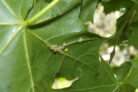
Scale insects like to hide out on the undersides of the leaves. Besides actually seeing the bugs, a dead giveaway is “honeydew”—a sticky residue they leave behind. Mealybugs, on the other hand, are a bit sneakier. They love to attack the root system, where they can go unnoticed for a long time. Keep an eye out for fine, white cottony webs around the roots. The easiest way to get rid of them? Give your olive tree a very brief (!) exposure to frost. It kills the bugs right off. Afterward, make sure to move your tree to a super sunny spot to recover.
Kicking Spider Mites to the Curb
Spider mites are another common nuisance you might run into. My favorite way to handle them is with a natural stinging nettle soak. It’s easy to whip up yourself:
- Gather about half a pound (250g) of stinging nettles.
- Chop them up finely.
- Soak the pieces in about 2 quarts (2 liters) of water for 24 hours.
Just spray that mixture on your tree, and those mites won’t know what hit ’em!