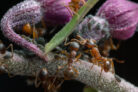
Healthy orchid leaves should be a vibrant, glossy green. If you start noticing a weird white coating on those beautiful leaves, it’s time to play detective. Your exotic beauty might be hosting some uninvited guests—specifically mealybugs—and you’ll want to act fast to stop them from spreading to the rest of your plant collection.
Signs of Mealybugs
You can usually spot a mealybug infestation by looking for these tell-tale signs:
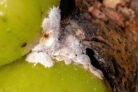
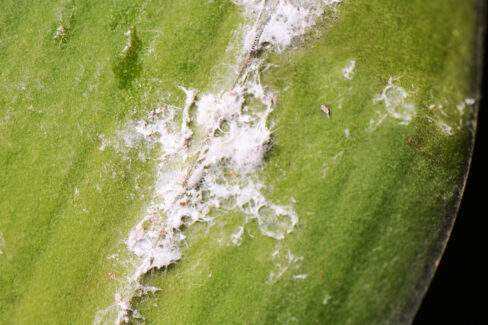
- In the early stages, you’ll see tiny white spots that look like little cotton balls on the leaves and bulbs.
- These eventually turn into sticky, web-like clusters.
- If left unchecked, the entire orchid can end up covered in a fuzzy white mess.
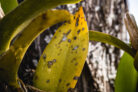
These pests treat your orchid’s sap like an all-you-can-eat buffet. They suck the nutrients right out of the leaves, which can cause them to wither and drop off. Even the stems can suffer serious damage or end up looking stunted and deformed.
How to Get Rid of the Pests
You’ll want to tackle any kind of pest problem as soon as you spot it. While you might be tempted to grab a heavy-duty chemical insecticide, be careful—orchids are pretty sensitive souls and don’t always react well to harsh chemicals. Luckily, there are some great eco-friendly ways to handle the situation.
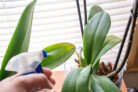
First things first: move the affected orchid into “quarantine” so the bugs don’t jump to your other plants. You can treat the leaves with a simple soap solution (mix one quart of water with a tablespoon of liquid castile soap and a splash of rubbing alcohol). Alternatively, try an oil emulsion using one quart of water, two tablespoons of olive oil, and a tiny drop of dish soap.
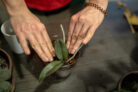
Use a soft brush or a cloth to apply your mixture to all the affected areas. Depending on how bad the infestation is, you’ll probably need to repeat this every two or three days. Once the bugs are dead, you can simply wipe them off and toss them out.
Powdery Mildew
If you don’t see anything that looks like “cotton,” you might be dealing with powdery mildew instead. This usually looks like a dusty, grayish-white flour coating on the leaves and stems. Powdery mildew is actually a fungal infection, but don’t worry—it usually clears up nicely with a simple diluted milk spray.
Mold
Sometimes a white coating is actually mold growth. However, mold usually sticks to the potting mix and the aerial roots rather than the leaves themselves. If you see fuzz on the soil, it’s a sign your orchid might be staying a bit too damp!