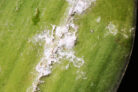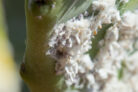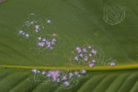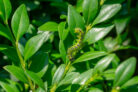
Mealybugs are some of the most stubborn uninvited guests your garden can host. Once they set up camp on your plants, they really don’t want to leave! If you’ve noticed these fuzzy white pests taking over your hydrangeas, don’t panic—I’ve got you covered. Here are some tried-and-true tips to kick those bugs to the curb and help your Hydrangea bounce back.
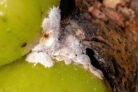
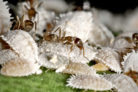
What Causes Mealybugs and What Do They Look Like?
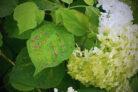
Mealybugs are basically tiny vampires; they suck the sap right out of your hydrangea and inject harmful toxins back into the plant. This stunts the plant’s growth and wreaks havoc on the foliage. You’ll notice the leaves turning yellow, wilting, and eventually dropping off. If you don’t step in to help, the infestation can actually be fatal for your plant.
Usually, these pests hitch a ride into your garden via other infested plants. They also absolutely love dry air—low humidity is like an invitation for them to multiply. If you’re overwintering your hydrangeas indoors or in a basement, make sure to crack a window or ventilate the room regularly. Keeping the air from getting too stagnant and dry is key to prevention.
How to Get Rid of the Pests
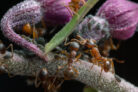
One of the coolest ways to fight pests is by letting Mother Nature do the work. Ladybugs and lacewings are natural predators that think mealybugs are a delicious snack. You can also buy parasitic wasps from garden centers or online; they are incredibly effective at controlling the population. If you’d rather take a DIY approach, you can whip up a simple spray right at home.
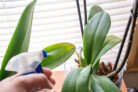
Try mixing this solution to treat your plants:
- 1 quart (approx. 1L) of water
- 10 drops of dish soap
- 1 tablespoon (approx. 12g) of paraffin oil or horticultural oil
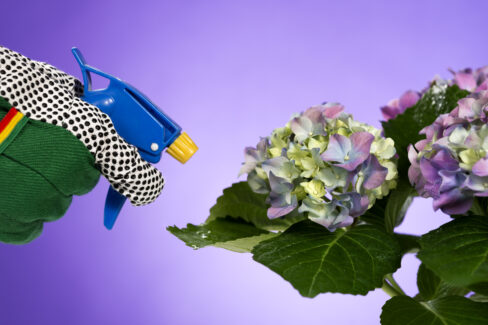
If your hydrangea is dealing with a major infestation, you might need to reach for something a bit stronger. Luckily, there are plenty of modern insecticides that get the job done without being overly toxic. Spray the leaves thoroughly, and keep in mind that you’ll probably need to apply it more than once to make sure you’ve killed off both the bugs and their eggs. Finally, make sure to give your plant some high-quality fertilizer so it has the nutrients it needs to recover in its favorite garden spot.