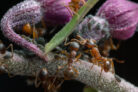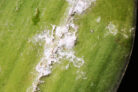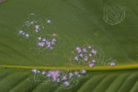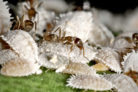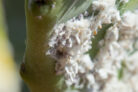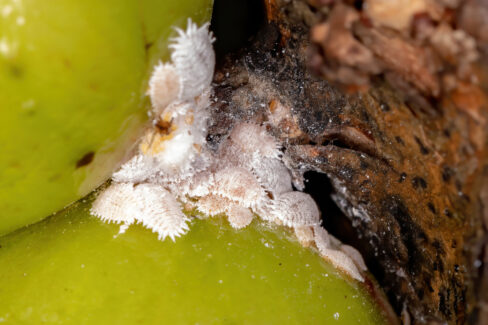
Along with aphids and scale, orchids are often targeted by mealybugs. These pesky little hitchhikers usually announce their arrival with tiny white, cotton-like tufts on your orchid’s stems and leaves. The good news? Getting rid of them is totally doable, just like dealing with any other type of orchid pest.
Spotting the Signs of Mealybugs
A mealybug infestation is pretty easy to tell apart from other pests. These critters are actually related to scale insects and protect their bodies under a hard, waxy shell. The dead giveaway, though, is those fluffy white “cotton balls” you’ll see popping up on the leaves and shoots.
Keep an eye out for these other symptoms too:
- Misshapen leaves with visible bite marks or frayed edges.
- Yellow or brown discolorations on the leaves as the infestation progresses.
- Noticeable stunting or deformations of new shoots and flower buds.
How to Effectively Fight Mealybugs
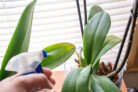
When it comes to tackling mealybugs, you can generally use the same tricks that work for scale. First things first: isolate the affected orchid so the bugs don’t spread to the rest of your plant family. Then, give the plant a gentle rinse with lukewarm water to wash away any parasites hanging out on the surface.
Because mealybugs have that protective waxy coating, you need to break it down first for treatments to work. High-proof rubbing alcohol or methylated spirits work great for this—just dab it onto the infested areas using a cotton swab or a soft cloth. After that, you can follow up with natural remedies like:
- A soft soap (insecticidal soap) solution.
- Enlisting the help of natural predators.
The Soft Soap Solution
A tried-and-true home remedy involves mixing about one quart of water with a tablespoon (15 ml) of liquid soft soap (like pure castile soap) and a splash of rubbing alcohol. Depending on how bad the infestation is, spray or brush this onto the affected areas every two to three days until the bugs are gone for good.
Natural Predators
If you’re dealing with a particularly stubborn or widespread breakout, you might want to let nature do the dirty work. You can actually buy “beneficial insects” that will hunt down the pests for you. These two are especially effective against mealybugs:
- Parasitic wasps (Schlupfwespen)
- Australian ladybug larvae (Mealybug destroyers)
Just a heads-up: parasitic wasps usually need temperatures above 75°F (24°C) to get to work. If your room is a bit cooler, the ladybug larvae are a better bet since they stay active at lower temperatures. Once they’ve finished their “all-you-can-eat” mealybug buffet, they’ll simply move on.
Dry Air and Mealybugs
Mealybugs love the winter months. Why? Because they thrive in the dry air caused by indoor heating. To keep them from moving in, make sure your orchid’s location stays humid even during the fall and winter. Try misting the leaves and aerial roots regularly or placing water trays nearby to act as natural humidifiers.