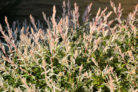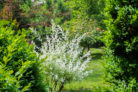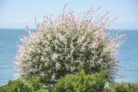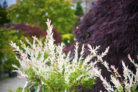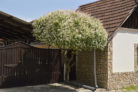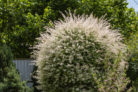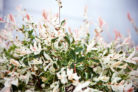
Dappled Willows (also known as Harlequin Willows) are incredibly easy to care for when the temperatures drop. However, if you’ve got young saplings or potted plants, you’ll want to take a few extra steps to keep them cozy. Here are my best tips for getting your willows through the winter safely.
Low-Maintenance Winter Care
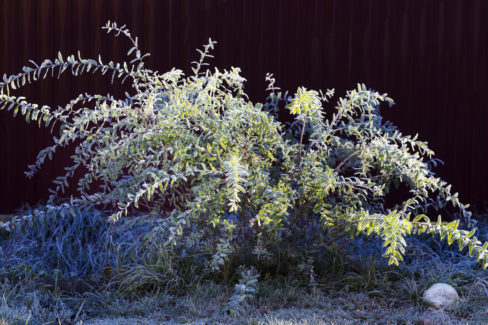
Once they are fully established, Dappled Willows are quite hardy. Generally speaking, mature plants don’t need any special pampering to survive the frost. Whether you have a standalone tree or a willow hedge, they’re pretty much “set it and forget it” during the cold months—which is a huge plus compared to more finicky garden plants!
If you usually fertilize your willow once or twice a year, that’s great—just make sure you don’t do it right before winter. Fertilizer encourages new growth, but as the days get shorter, your plant needs to settle into its natural dormancy. During this time, the willow will drop its leaves, which actually sets the perfect stage for a fresh pruning come springtime.
General things to keep in mind for winter:
- Make sure the plant still gets plenty of light.
- Water occasionally if the soil gets bone-dry.
- Save the fertilizer and fresh soil for a springtime boost.
- Don’t bring potted willows indoors too early in the season.
Protecting Young Plants and Potted Willows
While the big guys can handle the cold, young plants need a little extra TLC. If your saplings are in a spot that gets hit by harsh winds or extreme frost, try this: spread a layer of brushwood, mulch, or fallen leaves around the base. This acts like a warm blanket for the root system.
You also need to be a bit more careful with Dappled Willows growing in containers. Since their roots aren’t insulated by the ground, they are much more vulnerable to freezing. To keep them safe, wrap your pots in burlap, felt, or garden fleece and move them close to the wall of your house for extra warmth. Once they’re tucked in like that, you can rest easy until spring!