Once that first frost hits, the colorful party in your garden beds and balcony boxes usually comes to a screeching halt. For many of our favorite potted beauties, it’s time to pack up and head indoors for the season. If you want to see those blooms again next year, you’ve got to know the right way to tuck them in. Here’s a handy guide on how to overwinter your flowers like a pro.
Keep Evergreens Bright and Chilly
If your plants keep their green leaves all year round, they definitely need a spot inside the house to survive the winter. We’re talking about showstoppers like the gorgeous Mandevilla (Dipladenia) and the heavenly scented Star Jasmine. To keep these evergreens happy until spring, keep these tips in mind:
- Don’t wait too long: Bring them inside once temps dip to about 50°F (10°C).
- Location: They need light, but avoid harsh, direct winter sun or drafty hallways.
- Temperature: Aim for 40°F to 60°F (ideally between 45°F and 55°F).
- Care: Water sparingly, skip the fertilizer, and give the leaves a weekly misting with soft water.
The best spots for these guys are usually a sunroom, a bright stairwell, a cool bedroom, or even a heated greenhouse. If space is tight, don’t be afraid to give leggy plants like Oleander or Mandevilla a little trim before moving them in.
Deciduous Plants Like it Dark and Cool
Some plants handle winter by simply dropping their leaves and going dormant—it’s nature’s way of taking a nap. This group includes favorites like Fuchsias, Angel’s Trumpets (Brugmansia), Coral Trees, and Bougainvillea. Since they aren’t actively growing, they are actually pretty low-maintenance during the winter:
- Prep work: Cut the stems back by about half before moving them.
- Timing: Get them inside before the first hard frost.
- Location: A dark spot is perfectly fine.
- Temperature: Keep it cool, around 35°F to 40°F (just make sure it stays above freezing).
- Care: Very little water and no fertilizer at all.
A dark basement or a frost-free garage is the perfect “dormitory” for these plants to wait out the cold.
Tropical Exotics Need Sun and Warmth
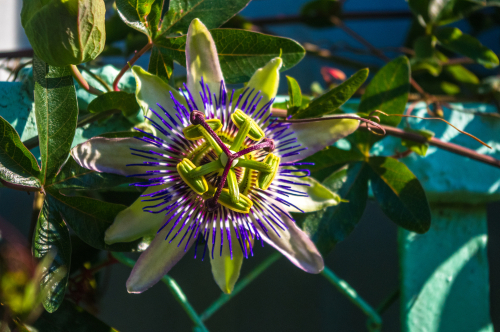
If you’re growing tropical beauties, they are much more sensitive to the cold. These plants should actually move indoors while it still feels like late summer. This includes things like Tropical Hibiscus, Passionflowers, and Frangipani (Plumeria). Here’s the secret to keeping your exotics thriving:
- Move early: Bring them in when night temps drop below 55°F-60°F.
- Location: They need a bright, sunny window.
- Temperature: Keep it cozy, between 60°F and 70°F.
- Care: Water only when the soil feels dry to the touch, and use half-strength fertilizer once a month.
- Pro Tip: Fill a saucer with lava rocks and water to sit under the pot—this boosts the humidity they crave.
The biggest danger for tropicals in the winter is “wet feet” (root rot). If you’re worried about overwatering, a simple moisture meter is a lifesaver. Just poke it into the soil, and it’ll tell you exactly when your plant actually needs a drink.
Quick Tip: Tuberous plants are some of the easiest to overwinter. For things like Canna Lilies, Dahlias, or Four O’Clocks, just cut the foliage way back in the fall. Dig up the bulbs, brush off the dirt, and let them dry out for a bit. Wrap them in newspaper or tuck them into some peat moss or straw, and store them in a cool, dark basement until spring.