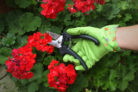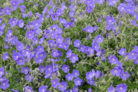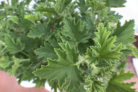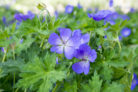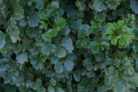
Hardy Geraniums (also known as Cranesbill) are basically the superheroes of the shade garden. They make fantastic groundcovers, growing like crazy with beautiful foliage and those delicate, cup-shaped flowers in just about every color you can imagine. But if you don’t want them taking over your entire yard, you’ll want to grab your garden shears right after that first bloom.
When exactly should you prune your Geraniums?
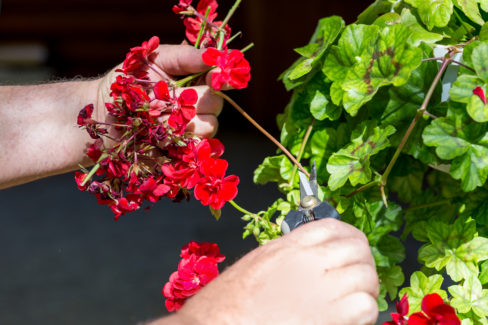
Different varieties bloom at different times. Some start popping up in early spring, while others wait until late summer to show off. Usually, after about four to six weeks, the flowers fade and you’ll see those interesting seed pods start to form. If you want to stop them from self-seeding all over the place, you’ll want to snip off those dried stems and seed heads.
The cool thing is that some early-blooming varieties can actually give you a second show! To get that “rebloom,” you’ll need to give them a mid-season haircut. Here’s how to do it:
- First, cut the faded flower stems back until they’re just above the ground.
- If the plant is looking a bit leggy or overgrown, feel free to trim those long stems back at the same time.
- If you’re planning on saving seeds, leave a few pods on the plant to dry out.
- Toss all your dry clippings onto the compost pile.
- Give the plant a little boost with some liquid all-purpose fertilizer.
- Skip the fertilizer for late-blooming varieties—they won’t bloom a second time anyway.
- In about six weeks, you’ll see fresh new growth and a second flush of flowers. Just a heads-up: the second round usually isn’t quite as showy as the first one.
Late bloomers, like the Siberian Cranesbill, shouldn’t be touched in the summer, or you’ll cut off all the flower buds! Instead, wait until late fall to cut them back for the winter. These late varieties are a “one and done” deal when it comes to flowers.
Which Geranium gets pruned when?
Every variety has its own little personality. Here’s a quick guide on the best timing:
- In the Spring (starting in March): Prune Cambridge and Gray Cranesbill.
- In the Fall: This is the time for Siberian and Bloody Cranesbill.
- In the Winter: The only one you really need to worry about in the cold months is the Great Cranesbill.