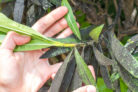
It’s a super common sight: you pull your oleander out of winter storage only to find a bunch of crispy, dried-out leaves. Usually, this is just a sign that something went a little sideways during the winter nap, but sometimes pests or diseases are the real culprits.
Potential reasons your oleander looks dried out after winter
If your oleander looks like it’s been through a dehydrator and those leaves are brown and lifeless, you’re likely looking at one of these common issues:
- Frost damage from staying outside too long,
- A run-in with “dry rot” (Ascochyta blight) in its winter quarters,
- Moving it back outside too quickly, or
- Simply not getting enough water during the off-season.
Frost damage from a cold winter outdoors
If your oleander looks totally parched after winter—especially if you kept it outside—frost damage is the most likely suspect.
Here’s the deal: if the frost only hit the branches and leaves but the roots stayed safe, you can just give the plant a radical prune. Cut back all the frozen bits, and your oleander should bounce back with fresh growth next year. However, if the root ball froze through, the plant is likely a goner, and unfortunately, no amount of TLC will bring it back.
Dry rot (Ascochyta blight)
Seeing dry, brown leaves, stems, or flower buds during or right after winter storage? You might be dealing with dry rot, which is actually a fungal infection.
As long as the fungus is only on the upper parts of the plant, there’s hope! Just prune away any infected areas aggressively. But, if the rot has made its way down into the roots, it’s usually game over for the plant.
Moving outdoors too fast
We all get excited for spring, but moving your oleander out of its winter home too quickly can cause some serious shock. Don’t toss it directly into the blazing sun right away. Instead, give it a little “hardening off” period to let it get used to the bright light and outdoor air gradually.
Winter watering
Oleanders are notoriously thirsty plants, and that doesn’t change just because it’s cold out—they still need water in the winter. If they get too thirsty, you’ll definitely see those dried-out leaves. While they don’t need nearly as much water as they do in the summer, you should still aim to give them a drink about once a week while they’re in storage.