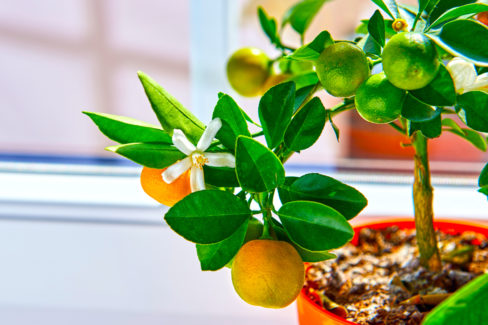
If you’re looking to dive into the world of citrus, the kumquat is hands-down one of the best plants for beginners. Why? Because compared to its finicky cousins, the kumquat is actually pretty easy to overwinter. While it’s low-maintenance during its winter nap, getting the environment right is key to a happy plant come spring.
Bright and Frost-Free
During the chilly months, your kumquat goes into a period of dormancy. Think of it like a “power-save mode” where it recharges its batteries to produce those gorgeous blossoms and tangy fruits next season. To help it out, you need a spot that is frost-free but definitely not toasty.
Here’s what your kumquat is looking for in a winter home:
- Tons of light (a south-facing window is perfect)
- Zero frost
- A steady temperature between 40°F and 50°F (5 – 10°C)
If your winter setup doesn’t hit these marks, you might find that your kumquat won’t bloom later on. Usually, the culprit is either too little light or the wrong temperature. If your room is a bit dim, you can always supplement with a daylight bulb or a dedicated grow light. If you can’t hit that exact temperature range, just try to get as close as possible.
Unheated (but frost-free) sunrooms or enclosed porches are usually the “Goldilocks” zones for these plants. Some people even overwinter them in a cool bedroom. Just keep in mind: for every degree warmer the room gets, the lower the chances of seeing those spring flowers.
Watering Tips
If you’ve found the perfect cool spot, your watering chores are basically over for the season. Usually, just making sure the soil is moist when you move it indoors in the fall is enough to get it through.
However, if your winter quarters are on the warmer side, you’ll need to check the soil periodically. If the top layer feels dry, give it a light drink. A big “pro tip” here: if your kumquat starts dropping leaves, don’t automatically reach for the watering can! Leaf drop is usually a sign that the room is too warm, not that the plant is thirsty.
Pest Control
Checking for pests on a kumquat is usually a quick job. The main troublemakers to watch out for are scale insects. You can lower the risk of an infestation by repotting your plant in the fall and giving it a good once-over for any hitchhikers before bringing it inside.
If you do spot some scale, act fast! You can usually just scrub them off with an old toothbrush or a wooden stick. You really only need to break out the organic pesticides if you’re dealing with a major breakout.