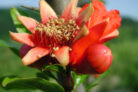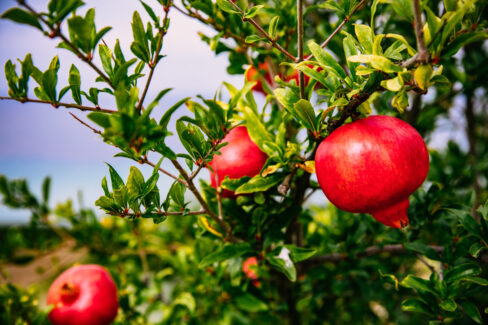
Pomegranate trees are a bit of a mixed bag when it comes to cold weather. The good news? They’re actually a lot less high-maintenance during the winter than many other exotic plants. If you give them the right spot, they don’t need much fussing over.
The Perfect Winter Spot
When the temperature drops, your pomegranate tree needs a spot that stays mostly frost-free. Older, established trees are tougher than they look—they can handle a quick dip below freezing for a few days. In fact, pomegranates are somewhat winter-hardy and can survive short bursts of temperatures as low as 14°F (-10°C). Just keep in mind that how well they bounce back depends on the specific variety and how old the tree is. Young saplings are much more sensitive and can get damaged easily compared to the “old timers.”
If you’re growing yours in a pot, a great winter home would be an unheated greenhouse, a sunroom, or even a bright garage. Even though pomegranates drop their leaves in the fall, you shouldn’t leave them in total darkness. They’re happy sitting in the “second or third row” behind your more light-hungry plants. A north-facing window works too, but just make sure to move the tree to a sunnier spot once it’s ready to start budding in the spring.
Winter Care Tips
While your tree is chilling out for the winter, keep the soil just barely moist—don’t overwater! Before you move it inside, make sure to pick off any remaining fruit. Pomegranates don’t ripen off the tree, and leaving them on just drains the tree’s energy. If the tree spends all winter feeding old fruit, it might bloom late or skip fruiting altogether next season.
Don’t worry about the leaves; they’ll usually fall off on their own. However, do yourself a favor and clear those fallen leaves out of the pot. If you leave them there, they can trap moisture, lead to mold, or become a cozy hotel for unwanted pests.
Overall, winter maintenance is pretty easy. Just keep the tree out of drafty hallways and make sure your watering can is at room temperature. If the water is too warm, you might accidentally “wake up” the tree and cause it to sprout new growth way too early. Also, put the fertilizer away—your tree doesn’t need any extra food until spring arrives.
Dealing with Pests
There are really only a couple of party-crashers to watch out for during the winter: scale insects and grubs. Scale insects look like tiny bumps on the branches; if you catch them early, you can usually just scrape them off with a wooden stick. If they’ve really taken over, an organic neem or canola oil-based spray usually does the trick.
Grubs (larvae) can be a bit more annoying because they hide underground where you can’t see them. The best trick here is to keep your winter storage area below 50°F (10°C). At those cooler temps, the grubs stay inactive, and you can simply pick them out when you repot the tree in the spring.