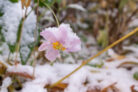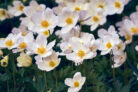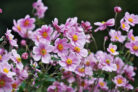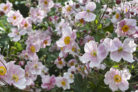
Whether certain anemone species actually *enjoy* the frost or just tolerate it is anyone’s guess. But what we do know is that while some will survive the winter in your garden beds and bloom beautifully the following year, others are a bit more high-maintenance. For many windflowers, surviving until next spring depends entirely on where they spend their winter vacation.
Japanese Anemones are usually tough cookies
Japanese Anemones (also known as Fall Anemones) are famous for their late-season blooms and grow as perennials. In most regions, they can stay in the ground year-round thanks to their excellent hardiness. But a word of caution: young plants aren’t quite “battle-hardened” yet. In a harsh winter or an exposed, windy spot, a baby anemone can easily freeze.
Protecting your young Fall Anemones
It doesn’t matter if you picked up a small pot at the nursery or propagated them yourself through division or seeds—young plants need a little extra TLC for their first two or three years. This starts with picking a frost-free day in the spring for planting; keep them indoors until then. Once they are in the ground, take these steps before the first frost hits:
- Cover the base with straw, dry leaves, or mulch.
- Make sure the mulch is dry to prevent any rot from setting in.
- Leave the spent foliage standing over the winter to act as a natural shield.
- Wait until spring to prune them back.
Pro Tip:
Avoid using pine or fir branches as a cover. As they decompose, the needles can lower the soil’s pH level. Anemones aren’t big fans of highly acidic soil, so it’s best to stick with straw or deciduous leaves.
Wintering Spring Anemones
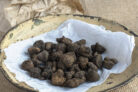
Spring-blooming varieties, like the popular Poppy Anemone (Anemone coronaria), store all their energy in underground bulbs or tubers during the winter. However, most of these species aren’t built for freezing temperatures. You’ll need to dig them up in the fall and store them properly. Here’s the game plan:
- Dig them up by October at the latest.
- Trim off any yellowed leaves.
- Store them in a dark, dry, and cool (but frost-free) spot.
- Replant them outside in late March.
When in doubt, play it safe
You might see some spring anemones labeled as “hardy” on the packaging, with instructions to plant them in the fall. In my experience, you can’t always take that to the bank. If you want to be 100% sure your flowers come back, treat those bulbs as if they’re frost-sensitive and bring them inside for the winter.