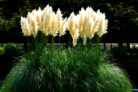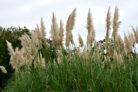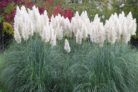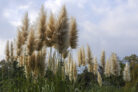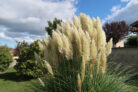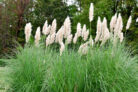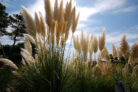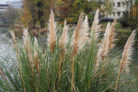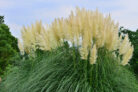
Just like with any other plant in your garden, one of the first things you’ll wonder about your pampas grass is how to handle watering. For this ornamental beauty, it’s usually less about drenching the soil and more about staying consistent.
Keep it on the drier side
Most varieties of pampas grass are native to South America, which means they’re naturally adapted to handle occasional dry spells. On the other hand, many of us plant pampas grass because it grows incredibly fast—making it a perfect natural privacy screen. To keep up that rapid growth, the plant needs plenty of nutrients and a steady supply of moisture. So, while it’s tough, you don’t want to let the soil turn into a desert.
Water with a light hand
The best rule of thumb is to grab your watering can only when the top layer of soil feels completely dry. When you do water, take it easy. While pampas grass can handle a little drought, it absolutely hates “wet feet.” Standing water leads to root rot, which is a one-way ticket to a dead plant. It’s much better to water a little more often with smaller amounts than to flood the area all at once.
Potted plants need a bit more love
If you’re growing pampas grass in the ground, you only need to check the soil every now and then. However, if you have it in containers, you’ll need to be more attentive. Since pampas grass loves a sunny spot, the soil in a pot on your balcony or patio can dry out fast. During those scorching mid-summer days, you might even need to water daily. Just make sure your pot has plenty of drainage holes so excess water can escape—remember, we want to avoid soggy roots at all costs!
To wrap it all up, here are the golden rules for watering your pampas grass:
- Only water when the top layer of soil feels dry.
- Avoid standing water and soggy soil at all costs.
- Give potted plants a daily drink during the heat of summer.