title: When Do Pansies Bloom?
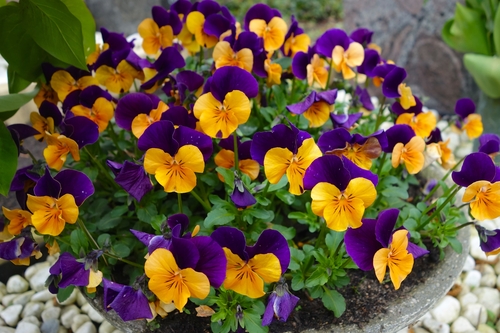
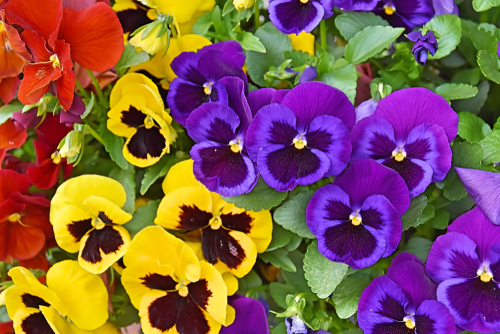
Depending on when you sow your seeds or put your plants in the ground, pansies can show off their colors at totally different times of the year. If you plan it right, you can enjoy these cheerful faces in your garden almost year-round! Here’s the scoop on how to make that happen.
Pansies as Spring Bloomers
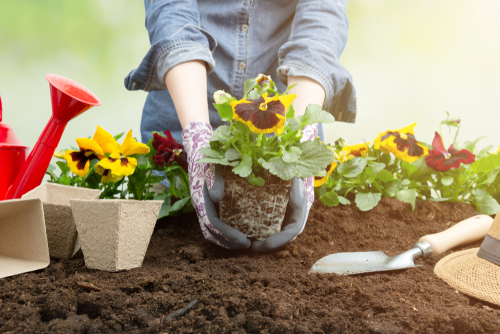
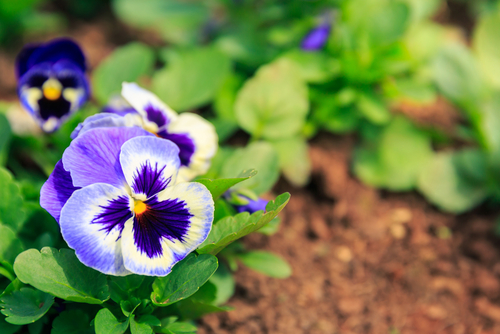
You’ll start seeing pansies pop up in garden centers as early as February. If you’re looking to brighten up your balcony, you can pot them up right away. However, if you’re planting them directly into the garden, it’s best to wait until April. Store-bought pansies are often a bit more sensitive than homegrown ones and don’t handle frost quite as well. Usually, they’ll bloom through June, but if you’re diligent about deadheading (pinching off those faded flowers), you can often stretch the blooming season all the way into August.
To keep your pansies happy, make sure their spot in the garden has:
- Full sun or partial shade
- Moist, but not soggy, soil
- Nutrient-rich, slightly acidic soil
If you want to grow your own from seed for a spring show, get them started in August or September. Homegrown plants tend to be much hardier and bloom longer! Alternatively, you can start young plants indoors in a cool room over the winter.
Pansies as Fall Bloomers
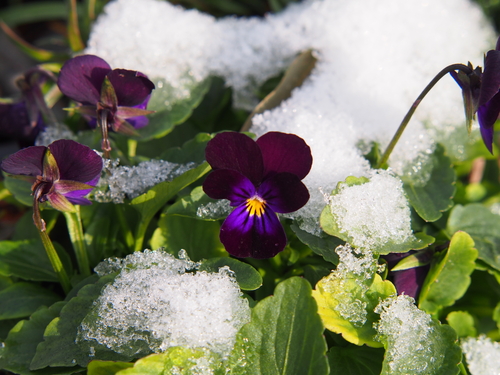
If you want your pansies to start blooming by October, timing is everything. You’ll need to sow your seeds by June at the latest. In milder climates, these fall beauties can actually bloom straight through the winter, which is a total mood-booster on those gloomy, gray days. Even though homegrown pansies are winter-hardy and can take a bit of frost, they still appreciate a little protection.
You can also buy blooming pansies in the fall, but keep in mind they are much more delicate and need help surviving the winter. To keep them from giving up the ghost, cover the soil with a protective layer of leaves, brush, or garden fleece. Don’t forget about them during the winter, either—they’ll need protection from heavy rain but will still need a drink of water occasionally.