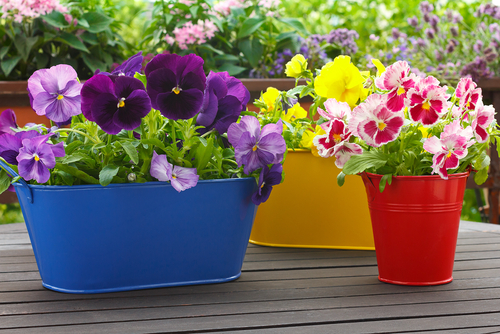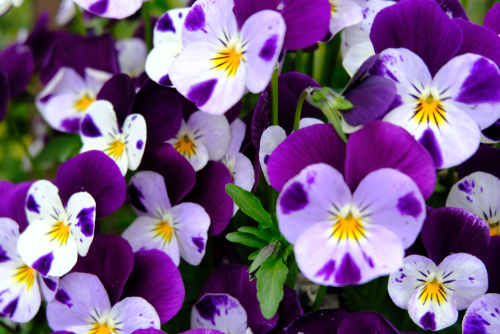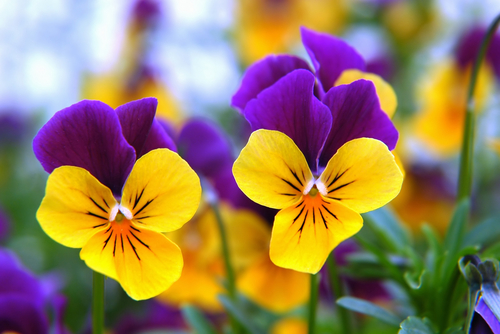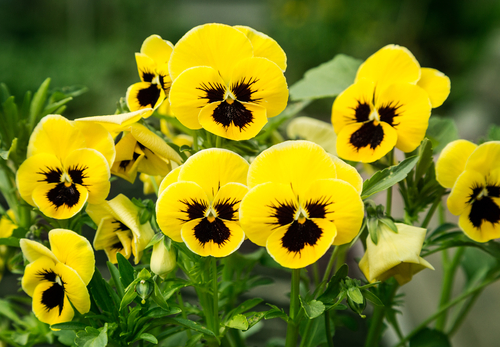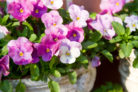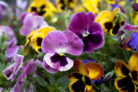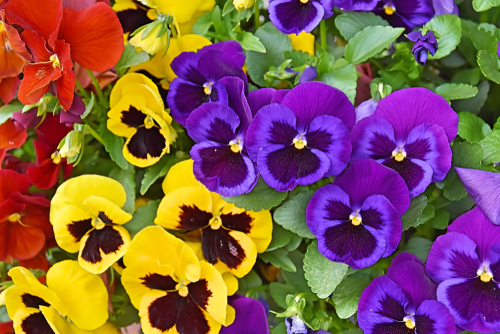
How long those pansies will keep your balcony or garden looking bright really comes down to which variety you pick. Most of the big-flowered types we plant outdoors are either annuals or biennials. If you’re looking for something that sticks around longer, Johnny Jump-ups (violas) are actually perennials!
Annual vs. Biennial Varieties
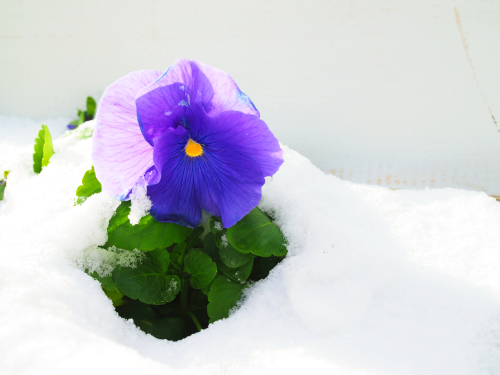
Whether your garden pansies act as annuals or biennials mostly depends on when you get them in the ground. Traditionally, most gardeners sow seeds in early fall—usually between August and September. These plants will then show off their colors the following spring, typically from April through June. If you’re a fan of a second bloom season in the fall, you can also sow them in early summer. Those flowers that pop up in October and November are treated as annuals.
Perennial Viola Varieties
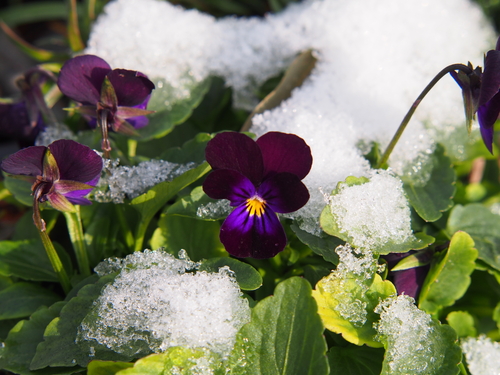
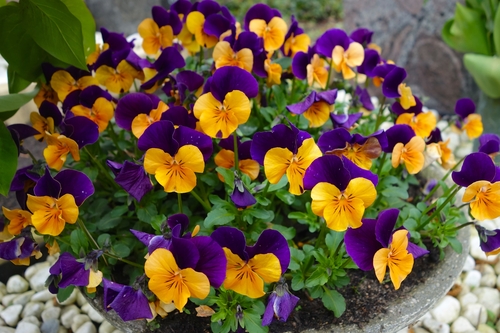
On the other hand, Johnny Jump-ups (Horned Violets) are true perennials. Because their blooms are a bit smaller, people often call them “mini pansies.” These little guys are much tougher when it comes to living outdoors. For example, when a frost hits, they’ll actually roll up their petals to protect themselves and then pop right back open once things thaw out. This trick helps them survive harsh winters much better than their large-flowered pansy cousins.
Self-Seeding and Propagation
Not only do Johnny Jump-ups have a better survival rate in the winter, but they’re also great at self-seeding. Standard garden pansies usually won’t do this because they are typically F1 hybrids, which means their seeds either won’t grow at all or won’t look like the parent plant.
To wrap it all up, here’s the quick breakdown for your garden:
- Standard garden pansies are usually annuals or biennials.
- Johnny Jump-ups (violas) are perennials, though they do have smaller flowers.