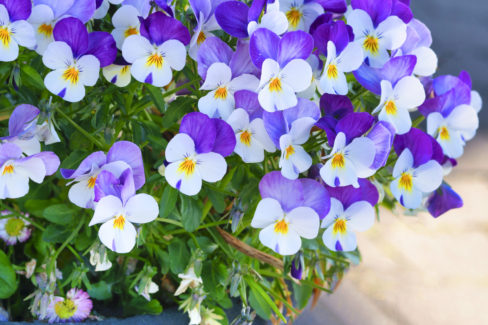
Popular Johnny Jump-ups (Viola cornuta) are the perfect way to add a splash of bright color to your garden in both spring and fall. Depending on the specific variety, their blooming window can vary, but these hardy little beauties are known for being tough—in mild winters, they might not even take a break at all!
Peak Bloom Times
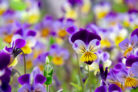
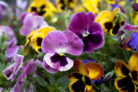
Johnny Jump-ups are famous for their dainty flowers that pack a punch with stunning colors and intricate patterns. If you look at the back of the bloom, you’ll see a tiny “spur,” which is actually how they got their German name, “Horned Violet.” Their main show usually kicks off in April and hits its peak in June, followed by a second, slightly lighter bloom in the fall. Some varieties, like ‘Molly Sanderson’ or ‘Alba Minor,’ will keep going strong right through October. If the weather stays mild, they might just bloom straight through winter! As long as they’re in the right spot, they’ll keep pushing out new buds. Even if a frost hits for a few days, don’t worry—they’ll pause their blooming but will bounce back without any permanent damage.
When to Plant
If you don’t want to leave things up to chance with self-seeding, you can get your violets in the ground anytime from March through October. If you’re planting them in groups for a big color impact, try to keep them about 4 inches apart. To give them a head start for a lush spring display, toss in a little liquid fertilizer or horn shavings at planting time. Pro tip: if you want them to keep blooming non-stop, make sure to pinch off the faded flowers (deadheading) regularly.
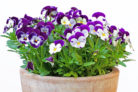
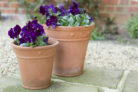
These violets also do great in pots or containers. Planting them in tiny decorative pots makes for a super cute centerpiece for your patio table! Just use a good quality potting soil, make sure your pot has drainage holes, and find a spot that isn’t in the scorching full sun. Once the first big bloom is over, you can cut the plant back by half—it’ll regenerate quickly and grow back nice and bushy. To keep the flowers coming as long as possible, here’s your quick care checklist:
- Prune them back after the main bloom
- Keep the soil moist (don’t let them dry out completely!)
- Give them a little fertilizer every now and then
- Remove wilted flowers so the plant doesn’t waste energy making seeds
- Aim for a spot with bright, dappled shade
Saving Seeds
If you’re looking to harvest your own seeds, you’ll need to leave a few wilted flowers on the plant. Small seed pods will develop from the pollinated blooms throughout the season. Once they’re ripe, they’ll pop open and scatter seeds everywhere. If you don’t want them spreading all over your garden on their own, make sure to harvest the pods right before they burst!