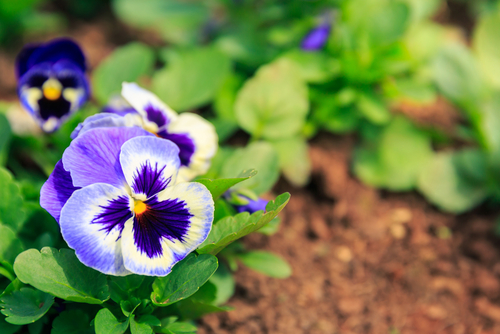
If you’re looking to add a splash of color to your garden, pansies are a total classic. But to get the most out of these cheerful little flowers, there are a few tricks to timing and technique you should know. With a little bit of planning, you can keep your garden looking vibrant from the first days of spring all the way through the fall.
Timing is Everything
When you decide to start your seeds makes a huge difference in when you’ll see those blooms. If you sow your seeds in late summer, you’re setting yourself up for a gorgeous display the following spring. However, if you get them in the ground early in the summer, you can often get a second flush of flowers later that same autumn. And if you’re dreaming of a garden full of pansies in the heat of summer? Your best bet is to start them indoors during the spring and transplant them later.
Stick with Store-Bought Seeds
I know, I know—as gardeners, we love to save seeds from our favorite plants to propagate them next year. But with pansies, you’re better off buying a fresh packet. Most of the varieties we love are F1 hybrids, which means the seeds they produce usually won’t grow into the same beautiful flowers (or might not sprout at all). Luckily, there are tons of affordable, high-quality varieties available at any garden center.
Getting Your Hands Dirty
Pansies are pretty easygoing when it comes to their location—they’re happy in full sun or partial shade. They do best in nutrient-rich soil that isn’t too alkaline, so mixing in some compost before you start is always a great idea. Once you’ve picked out the perfect spot, here’s what to do:
- Plant your seeds about 1/2 to 3/4 of an inch (1-2 cm) deep.
- Cover them lightly with soil.
- Keep the soil consistently moist (don’t let them dry out!).
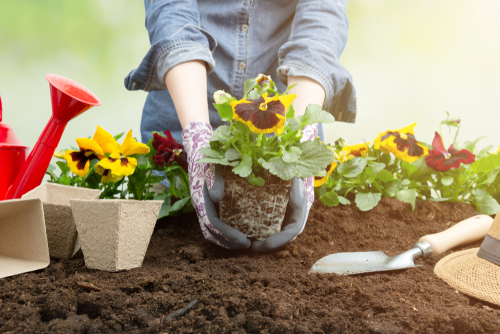
You should see your little pansies popping up in about four to six weeks. Once they’ve established themselves, it’s a good idea to “prick them out” (thin them and trim long roots to encourage bushier growth). If you started your seeds indoors, they’re ready to move to their permanent home once they’re about 2 inches (5 cm) tall.