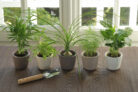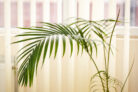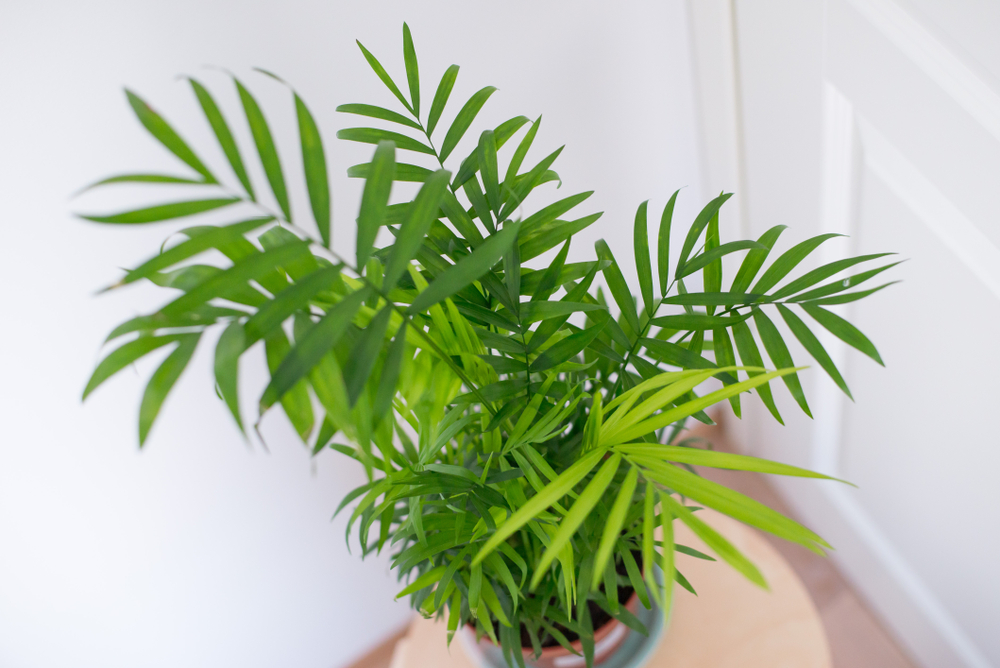
The Kentia palm is a bit more particular about its home than most care guides lead you to believe. While it won’t drop dead immediately in a dim corner, it really needs a bright, airy spot to truly thrive and show off those lush fronds.
Bright, Indirect Light is Key
The Kentia palm is native to a single island off the coast of Australia. In its tropical home, the vegetation is dense, but these palms actually prefer bright spots or partial shade—you’ll usually find them hanging out at the edges of forest clearings where the light filters through.
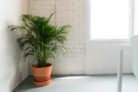
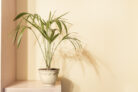
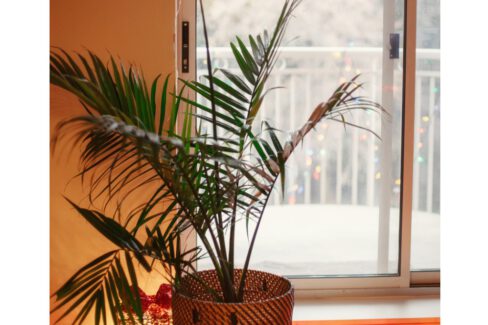
As a houseplant, the Kentia has similar tastes. It’s versatile enough to grow in standard potting soil or even as a hydroponic plant. Regardless of the medium, keep this in mind: never put it right up against a south-facing window. It can’t handle that harsh, direct midday sun. Instead, aim for indirect light. A bright hallway or a spot a few feet away from a window is usually the “sweet spot.”
Keep Humidity High
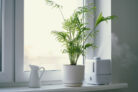
We often associate palms with dry, desert heat, but that’s a mistake with the Kentia. This beauty craves high humidity. Because of this, well-lit kitchens or bathrooms are actually fantastic locations for them.
Winter can be a tough season for palms because indoor heating dries out the air, often leading to dry, brown leaf tips. To keep yours happy during the colder months, give the leaves a quick wipe with a damp cloth or a light misting of water. Just a pro-tip: make sure water doesn’t pool in the leaf joints or the center “heart” of the plant, as that can lead to rot.
Watch Out for Drafts
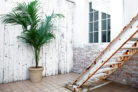
If you want to give your palm some fresh air, you can move it outdoors during the summer. Just like indoors, keep it in partial shade rather than direct sun. One thing the Kentia palm absolutely hates is a draft. While a bright stairwell might seem like a great winter home, if it’s breezy or drafty, your palm won’t be happy. The same goes for outdoors—avoid placing it on a windy balcony.
If you do keep it outside during a dry summer, remember to mist the leaves occasionally, ideally in the morning. Always use water that’s at room temperature. A sudden “cold shower” from the garden hose won’t kill the plant, but the temperature shock can definitely stunt its growth for a while.