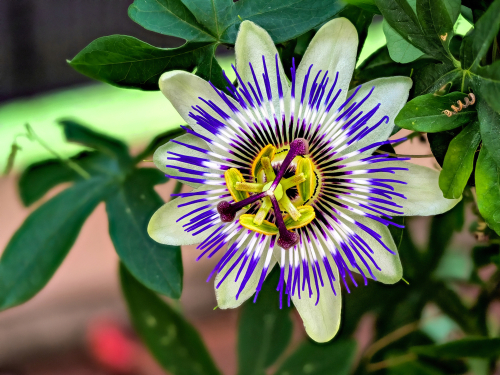
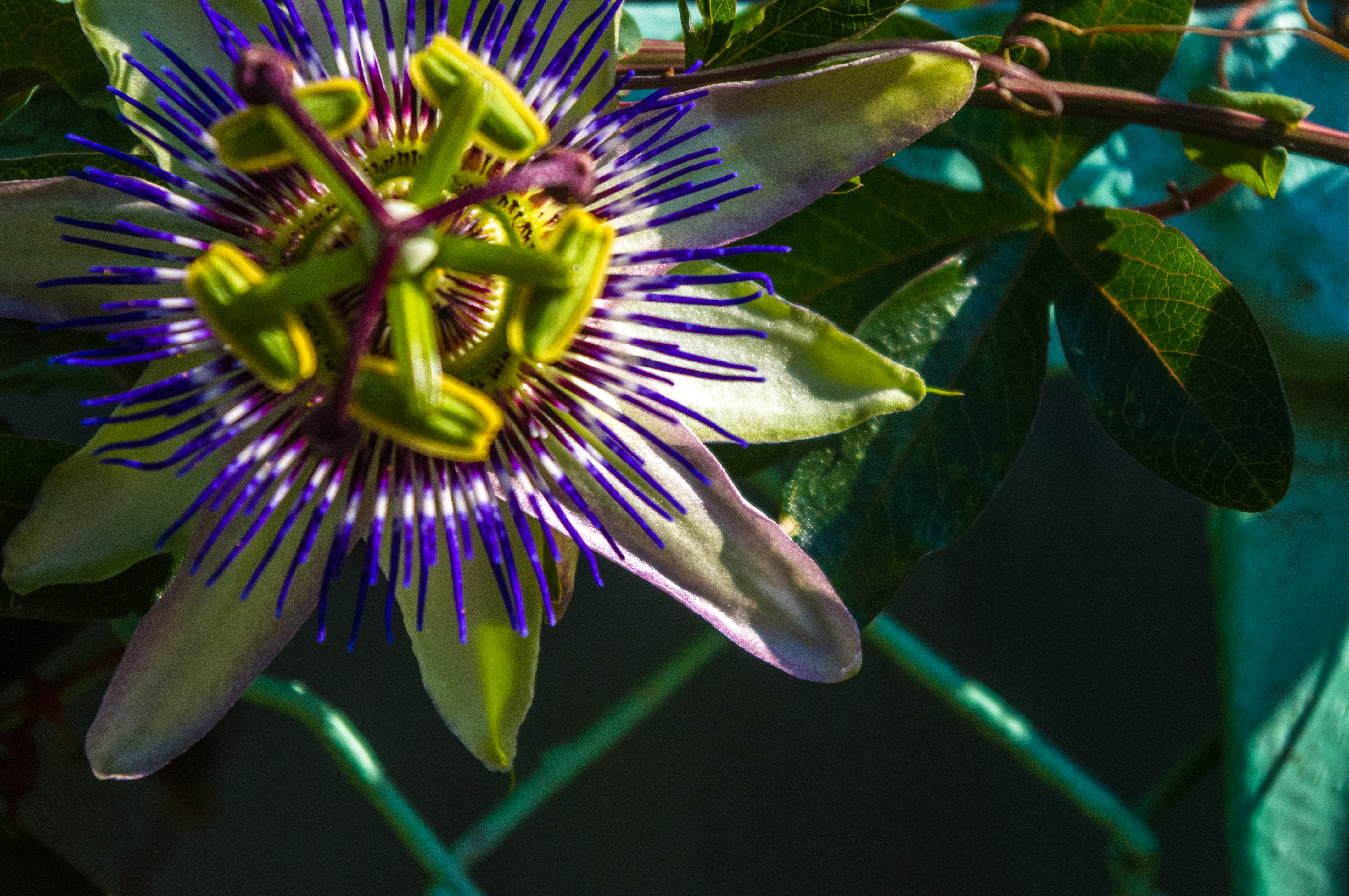
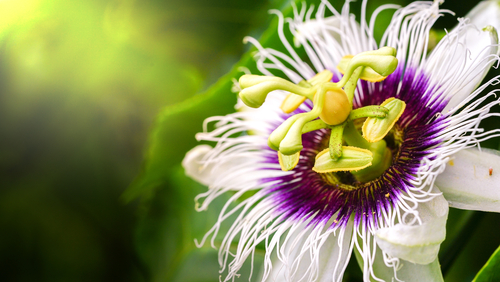
If you’re looking to expand your passion flower collection, you’ve got two main ways to do it: starting from seeds or taking cuttings. Both methods have their pros and cons, and there are a few things you’ll want to keep in mind before you get your hands dirty.
Clones or Brand New Plants?
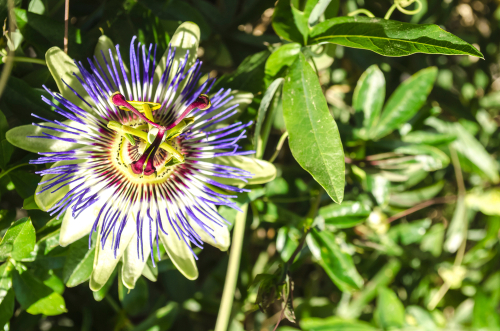
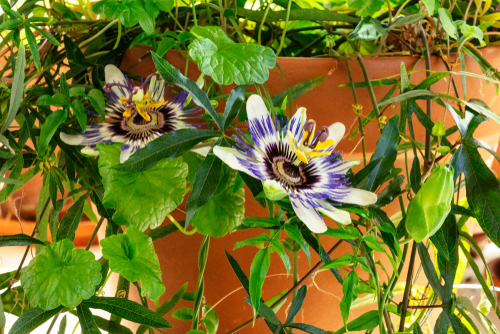
The biggest difference between seeds and cuttings comes down to genetics. When you take a cutting, you’re essentially creating a genetic clone of the parent plant. For many *Passiflora* species, this means these “clones” can’t pollinate each other. On the flip side, plants grown from seeds are genetically unique individuals, so you won’t run into those same pollination roadblocks.
Starting from Seed
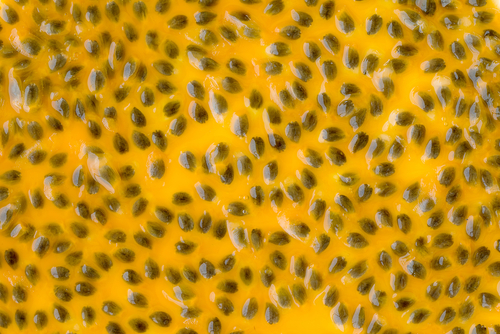
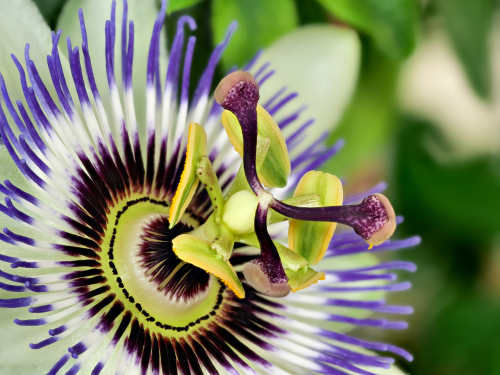
If you want to go the seed route, you’ll need some ripe fruit. You can actually find these at a well-stocked grocery store—after all, passion fruit (maracuja) is just one variety of *Passiflora*. Of course, you can also harvest seeds from your own garden. Since most passion flowers aren’t self-fertile, you’ll usually need two different plants to get the job done. You’ll also likely need to play “bee” and pollinate them by hand. Just use a pair of tweezers to pluck an anther from the donor flower and gently rub it onto the stigma of the receiving flower.
The Next Steps
Once your plant produces fruit, here’s what you do:
- Slice the fruit open and scoop out the pulp and seeds.
- Clean the seeds off using a paper towel.
- Plant them in some seed-starting mix or coconut coir.
Pro tip: To boost your germination chances, soak the seeds in warm orange juice for a day or two. It sounds weird, but it mimics the natural fermentation process of the fruit and helps break down the seed coat!
Propagating with Cuttings
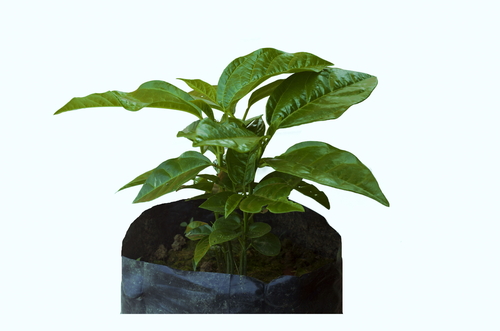
Let’s be honest: waiting for seeds to sprout can be a bit of a gamble. If you want a sure thing, cuttings are much more reliable and way easier. Plus, plants grown from cuttings usually bloom in their very first year, while seedlings often take at least two years to show off their flowers.
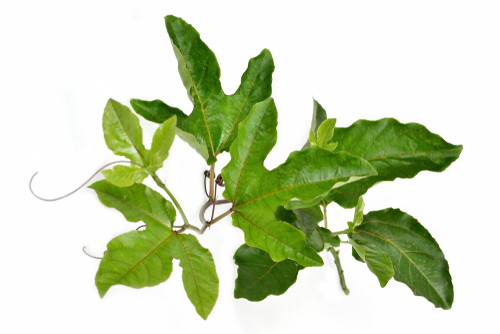
To take a cutting, find a young but mature shoot. Use a sharp, clean knife to snip it off—keeping your tools sterile is key to preventing diseases. You can actually cut that shoot into several smaller pieces. Just make sure each cutting has no more than two leaves (trim off any extras). Dip the ends in some rooting hormone and pop them into pots with seed-starting soil. Keep them in a bright, warm spot and make sure the soil stays consistently moist to help those roots take hold fast!