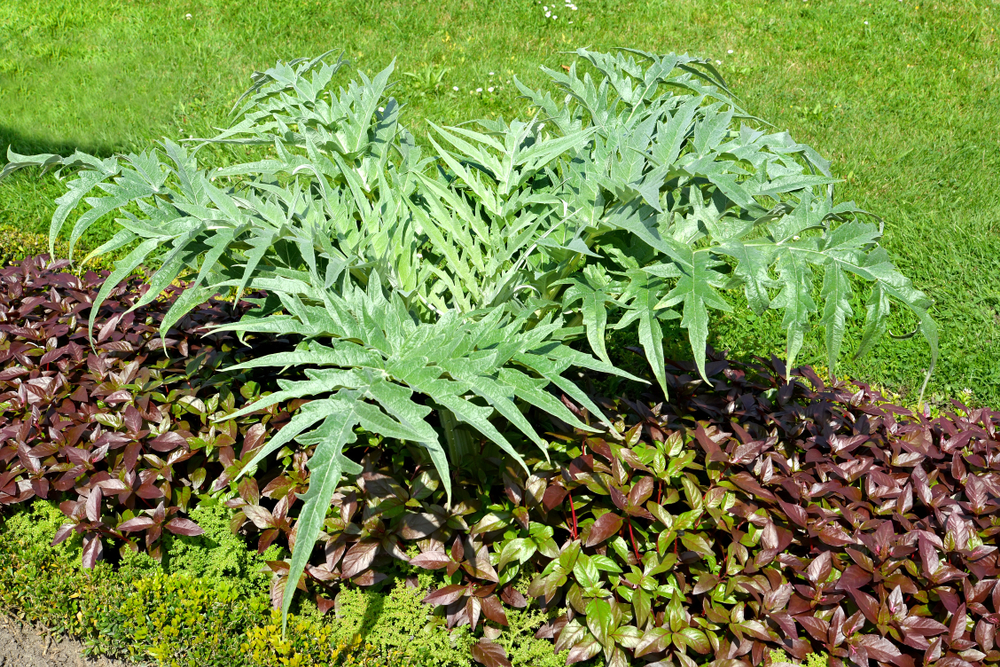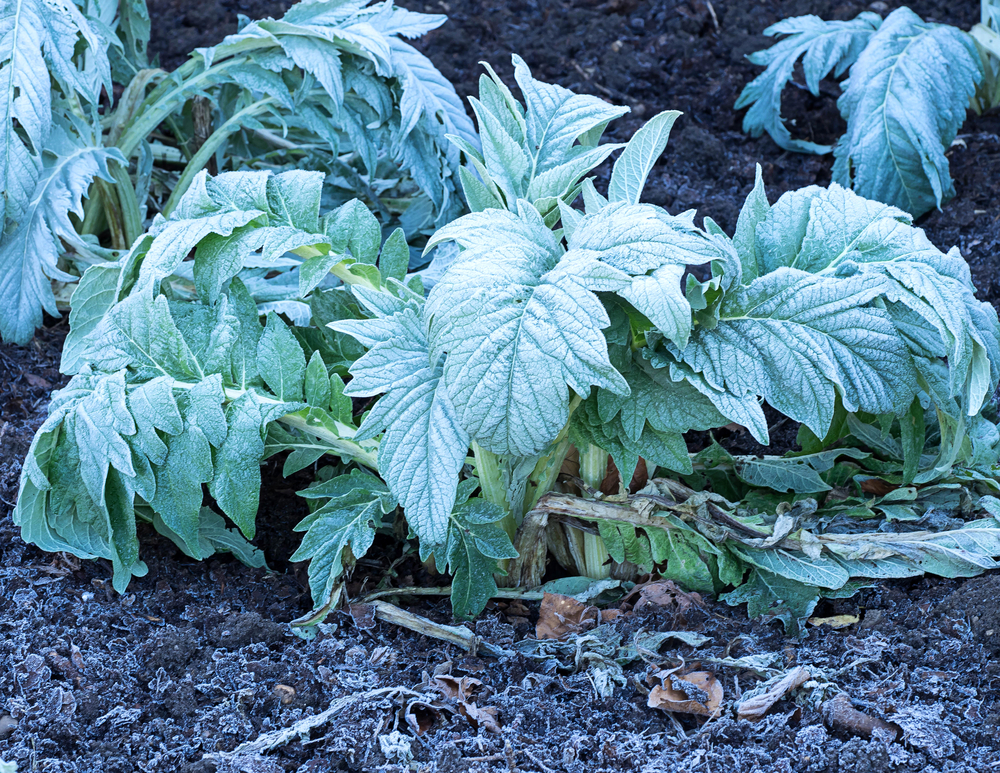
You can easily find artichoke seeds at your local hardware store or garden center, and starting them yourself isn’t nearly as intimidating as it looks! As long as you follow a few simple steps, you’ll be rewarded with a stunning, exotic-looking vegetable that’s just as beautiful in the garden as it is delicious on your plate.
Choosing the Right Seeds
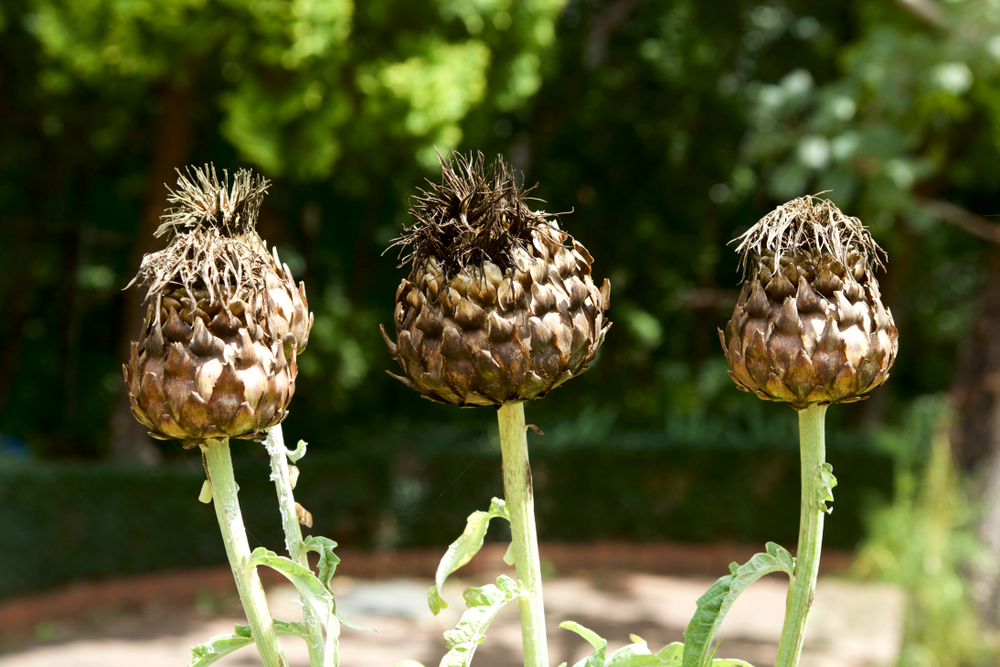
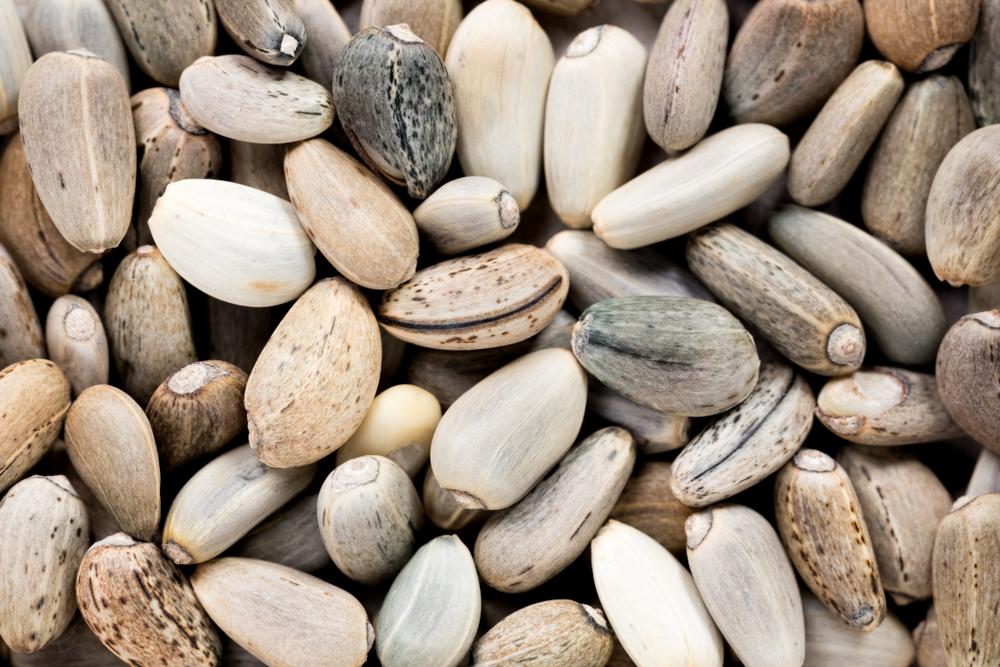
When it comes to getting your hands on some seeds, you’ve got two main options: pick up a packet at your favorite nursery or harvest the seeds yourself from dried flower heads in the fall.
If you’re buying a packet, pay close attention to the hardiness of the variety. Since artichokes can be a bit picky about the cold, check the label to see if they are:
- Fully hardy
- Semi-hardy
- Require winter protection to survive outdoors
Starting Your Artichokes Indoors
Once you’ve got your seeds, keep them in a cool, dry spot until February. That’s the magic time to start them on a sunny windowsill! If you get a head start now, you’ll usually be able to enjoy your first harvest in the very same year.
First things first: soak your seeds in lukewarm water for a few hours before planting. This little trick softens the seed coat and really helps boost your germination rates.
Next, fill some pots with a high-quality seed-starting mix and place them in a bright, warm spot. Sow your seeds and keep the temperature around 68°F to 77°F (20-25°C). The most important thing here is consistency—keep that soil moist! If the seedlings dry out, they won’t make it. You should start seeing little sprouts popping up in about three weeks.
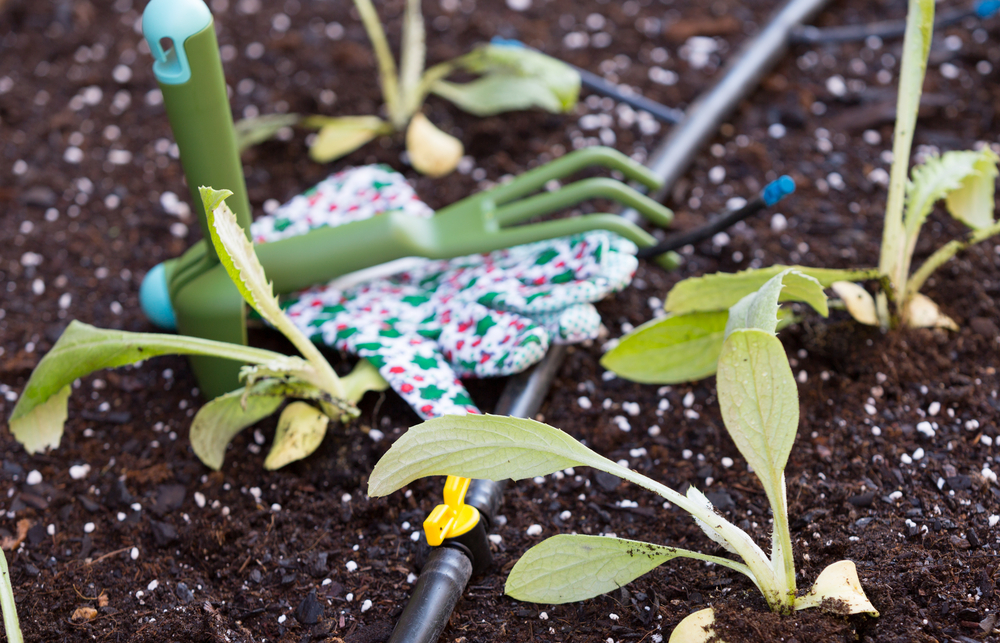
As your “babies” get bigger, you’ll need to pot them up into larger containers so their roots have plenty of room to stretch out. It’s also a great idea to let them spend some time outside during the day to “harden off.” This helps them get used to the elements before they move out for good.
Moving to the Garden
Don’t be in too much of a rush to get them in the ground! Wait until you are 100% sure the threat of frost has passed—usually by mid to late May. When you’re ready to transplant, pick a spot in your garden that’s sunny, warm, and tucked away from harsh winds. Artichokes are heavy feeders, so they love soil that is rich in nutrients and organic matter.
When planting, go ahead and mix a generous amount of compost into the soil. Most importantly, give them a deep soak right away and keep up with a regular watering schedule to help them settle into their new home.