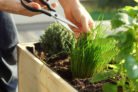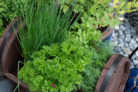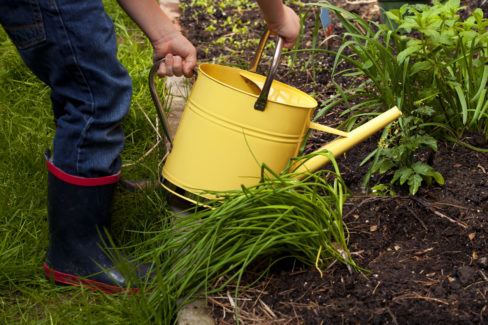
Just like us, plants need water to thrive—and chives are no exception! But here’s the thing: you can definitely have too much of a good thing. To keep your chives happy, healthy, and ready for your next baked potato, you’ve got to get the watering just right. Let’s dive into how to master the art of watering chives.
How do you water chives the right way?
Since perennial chives actually love lime-rich soil, you don’t need to worry about using fancy filtered water. Plain old tap water works perfectly, even if it’s “hard” water with high mineral content. The goal is to keep the soil consistently moist without letting the plant sit in a swamp. Of course, your chives’ location makes a huge difference in how much water they’ll crave. Here’s the breakdown:
- Chives planted in the ground
- Chives grown in pots
Watering chives in the garden
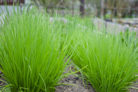
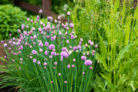
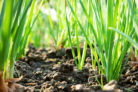
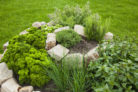
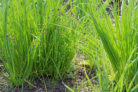
If your chives are living out in the garden bed, they’re pretty low-maintenance. You usually only need to grab the watering can during those scorching summer stretches. When you do water, give them a good soak, but make sure your soil drains well so they aren’t left standing in a puddle.
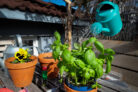
Watering potted chives
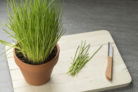
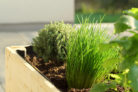
Potted chives require a bit more of a “green thumb” touch. You’ll need to water them year-round—yep, even in the winter! Just keep in mind that they need way less water during the cold months. Pro tip: only water on frost-free days during the daytime so the roots don’t freeze.
The size of your pot matters too. A larger pot holds more soil, which acts like a sponge to retain moisture, meaning you won’t have to water as often. The golden rule? Keep the soil from drying out completely, but never let it get soggy.
What happens if you get the watering wrong?
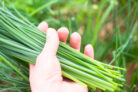
If your chives are thirsty, they’ll let you know—the stalks will start turning yellow and eventually dry up. If you spot yellow tips, that’s your signal to give them a drink ASAP! On the flip side, overwatering (standing water) is a recipe for disaster. It can lead to:
- Root rot
- Fungal diseases
- Fungus gnats
To avoid these headaches, make sure your pots have drainage holes and consider adding a layer of gravel or clay pebbles at the bottom when planting. This ensures any extra water can make a quick exit!