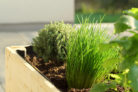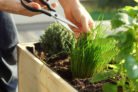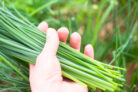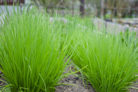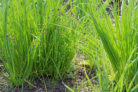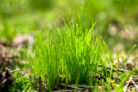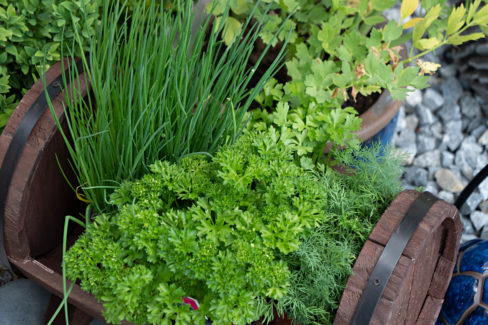
Generally speaking, chives are pretty low-maintenance as long as they’re getting enough water and nutrients. But if you really want them to thrive, picking the right spot is key. Here’s everything you need to know about finding the perfect home for your chives.
Where is the best place to plant chives?
The sweet spot for chives is somewhere with full sun to partial shade. They can handle full shade if they have to, though you’ll notice they grow a bit slower there. One word of caution: if you live somewhere with scorching summers, be careful with planting them in a spot that gets intense, direct midday sun all day long. Without a little afternoon shade or protection, they can actually get sunburned when the heat peaks.
What kind of soil do chives like?
When it comes to the dirt they’re sitting in, chives are a little more particular. They aren’t fans of soil that is too dry, hard, or acidic. Your chives will be happiest if the soil is:
- Consistently moist
- Well-draining
- Rich in organic matter (humus)
- Slightly alkaline (chalky)
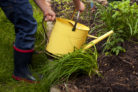
Chives can dry out fast, especially when grown in a pot, so you’ll need to water them regularly. If they’re in the ground, they usually only need an extra drink during long dry spells. Don’t worry about using tap water—even if it’s “hard” water, chives actually appreciate the mineral content. To keep the soil nutrient-rich, give them a little organic fertilizer every now and then.
Can chives be planted with other herbs and vegetables?
Chives are great team players in a garden, but you have to pick the right roommates. You’ll want to pair them with plants that have similar needs—so skip anything that loves bone-dry soil. Plus, plants naturally release certain gases and compounds that can help or hinder their neighbors. Here are some plants that make great neighbors for chives:
- Savory
- Dill
- Strawberries
- Tarragon
- Carrots
- Oregano
- Sage
On the flip side, there are a few plants chives just don’t get along with. Avoid planting them near:
- Artichokes
- Beans
- Garlic
- Leeks
- Parsley
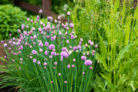
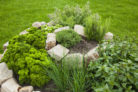
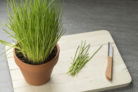
Of course, chives also do perfectly fine on their own in a container or out on the balcony. And because those purple flowers are so pretty (and edible!), they even look fantastic tucked into a decorative perennial bed.