After weeks of vibrant spring color, most people tend to ignore their primroses once the magic fades. In fact, plenty of folks just toss them in the trash to make room for summer annuals. But here’s a little secret: these spring messengers aren’t just one-hit wonders—they’d actually love to stick around in your garden for years!
Most of the 500 species are perennials
Believe it or not, the vast majority of the 500 or so primrose species are perennials. This includes most of the varieties you’ll find at your local garden center. Whether they’ll actually survive year after year in your neck of the woods mostly depends on their hardiness zone.
As a general rule, primroses native to the northern parts of the Northern Hemisphere are hardy. This group includes favorites like English primroses and cowslips.
On the other hand, primroses from tropical regions in South Asia—like the popular German primrose (*Primula obconica*)—need to overwinter indoors if you want them to survive. Even hardy types growing in pots should be moved to a sheltered spot or at least winterized to protect their roots.
Pro Tip:
Even the toughest hardy varieties have one weak spot: their blooms. Since they like to show off right in the middle of winter, a sudden cold snap can ruin the display. To save the blooming season, try to cover plants that have active buds if the temperature drops below 23°F (-5°C).
The real enemies: Drought and heat
Surprisingly, frost isn’t usually what kills off a perennial primrose. The real dangers are actually drought and scorching heat. On those blistering summer days, these plants can dry out or get sunburned in a heartbeat. That’s why it’s crucial to pick a planting spot in partial to full shade. If they have to be in the sun, you’ll need to be extra diligent about watering to keep them happy.
Giving them a second life after they bloom
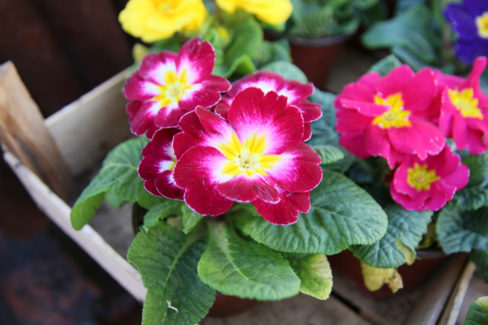
In early spring, you’ll see potted primroses everywhere—usually right by the checkout line. It’s hard to resist those bold, cheerful colors! We bring them home, set them on the windowsill, and enjoy them for a few weeks. But once that last flower fades, most people treat them like disposables. You don’t have to be that person! Here’s how to keep the party going:
- Keep taking care of your primroses even after the flowers are gone.
- If they’re taking up too much room inside, plant them outside.
- The best time to move them to the garden is right after they finish blooming.
- If kept in a cool, shady spot, they might even surprise you with a second bloom in the summer.
- At the very least, they’ll be back to greet you again next year!