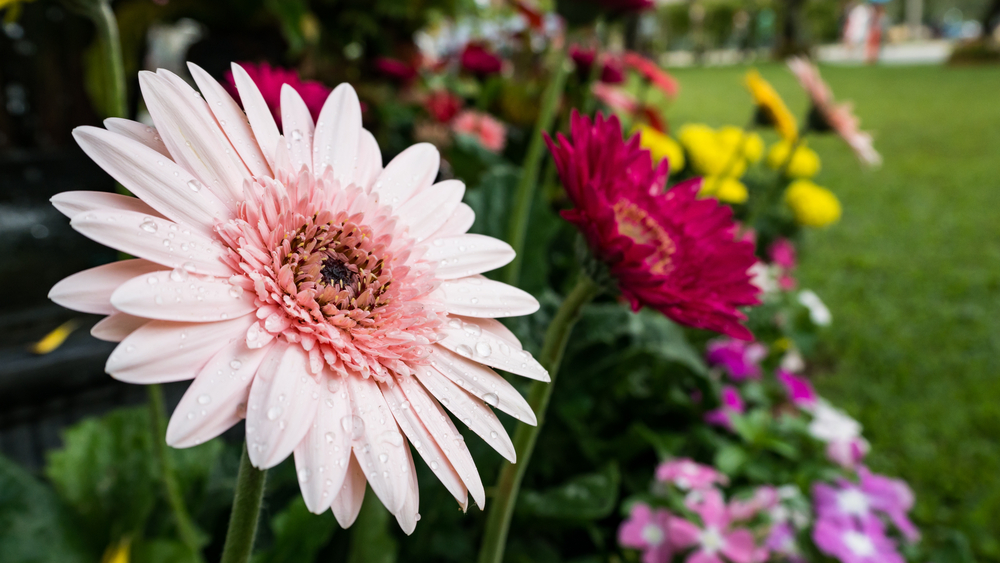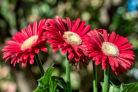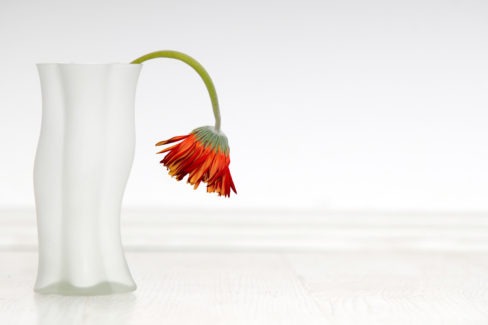
We all love those big, cheerful gerbera daisy blooms, and they’re at their best when they’re reaching toward the sun—not wilting sadly toward the floor. When your gerberas start drooping, it’s more than just an eyesore; it could be a sign that your plant is struggling with something that might eventually do it in. Let’s dive into why this happens and how you can fix it.
Common Culprits for Drooping Heads
Most of the gerbera varieties you’ll find at the local garden center have their roots in South Africa. Even though they’re far from home, they can have a surprisingly long blooming season here, lasting from May all the way through September. Under the right conditions, a single flower can stay beautiful for several weeks. If yours are looking a little limp, it’s usually due to one of these reasons:
- The flower is simply reaching the end of its natural life cycle
- Watering issues (too much or too little)
- Dry air (especially from indoor heating)
- Drafty spots
Quick Tip:
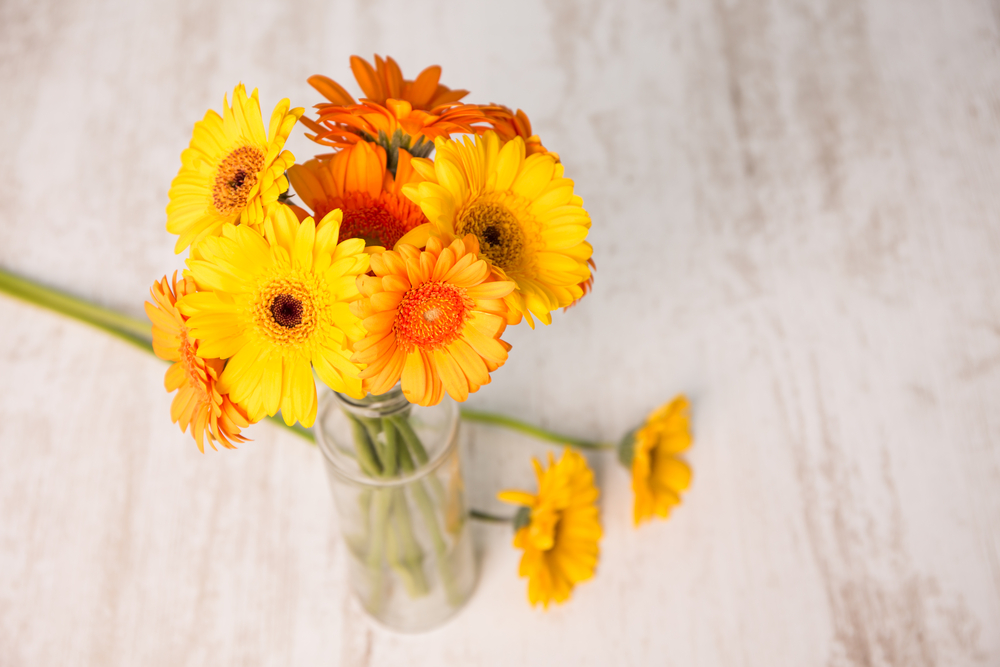
If your cut gerberas in a vase are drooping, the water flow is likely blocked. Trim any mushy or rotting stem ends and give them fresh water immediately.
Natural Wilting
When a flower has given all it can give, the first sign is a drooping head, followed by the rest of the petals wilting. This is totally normal! However, you should still deadhead those spent blooms quickly. Not only does it keep the plant looking tidy, but it also prevents the plant from putting energy into making seeds. Instead, that energy gets redirected into growing brand-new buds.
Pro Tip:
If you want to collect seeds to propagate more gerberas, leave a few wilted flowers on the plant. Just keep in mind this really only works well with heirloom varieties, not hybrids.
Mastering the Watering Game
Gerberas are thirsty plants, so you never want the soil to dry out completely. On the flip side, they hate “wet feet.” If the soil is soggy, the plant will rot, and those flower heads will drop fast. Here’s how to keep the moisture levels just right:
- Always use pots with drainage holes
- Mix some sand into your potting soil to keep it airy
- Water more often, but use smaller amounts
- Water your gerberas from the bottom (using a saucer)
- Empty the saucer shortly after watering so the plant isn’t sitting in a puddle
If you’ve accidentally overwatered, skip watering for a few days. If the soil is truly swampy, you’ll need to repot it with fresh, dry soil. While you’re at it, check the roots for rot and snip off any mushy, diseased parts with clean, sharp shears. If the flowers don’t perk up shortly after repotting, it’s best to remove them so the plant can focus on recovering.
Dealing with Dry Air
If you’re keeping a gerbera as an indoor plant, dry air from the heater can be its worst enemy in the winter. Try moving it away from vents or radiators. Ideally, you shouldn’t “force” blooms in the winter; let the plant have a cool rest period at around 55-60°F (12-15°C) instead.
Even in the garden or on the balcony, hot summer days can be too dry. On those scorching days, give them a light misting with lukewarm, soft water.
Watch Out for Drafts
Gerberas love good air circulation, but they can’t stand a harsh draft. If your plant is sitting in a breezy hallway or right in front of an AC vent, it’s time for a change of scenery. Move it to a spot where the air is still but fresh.