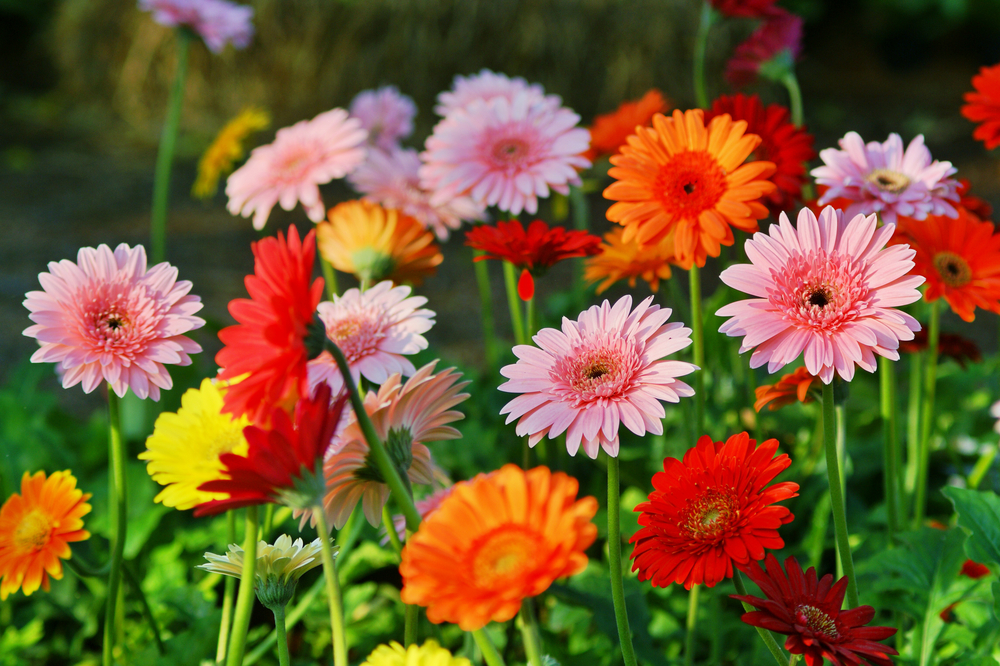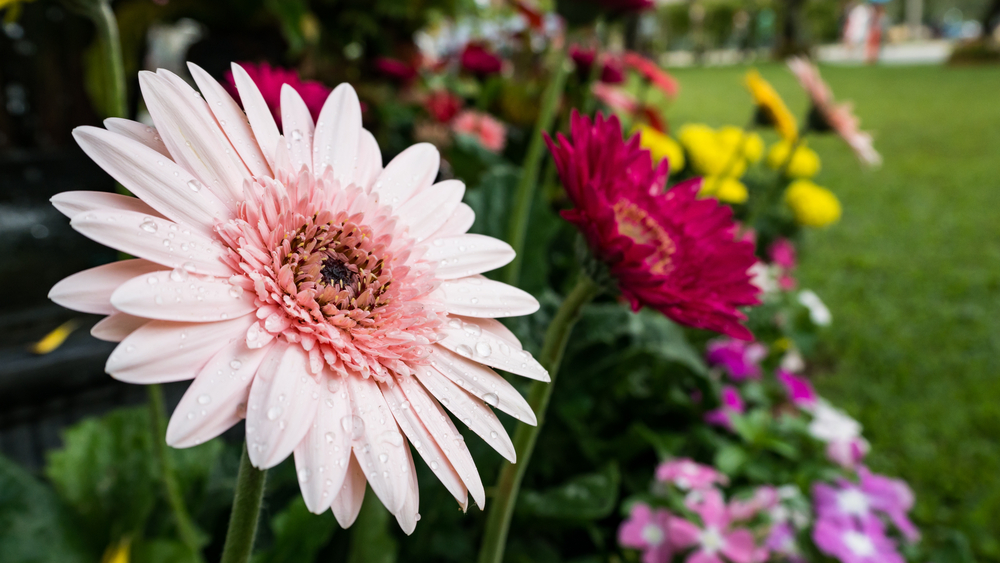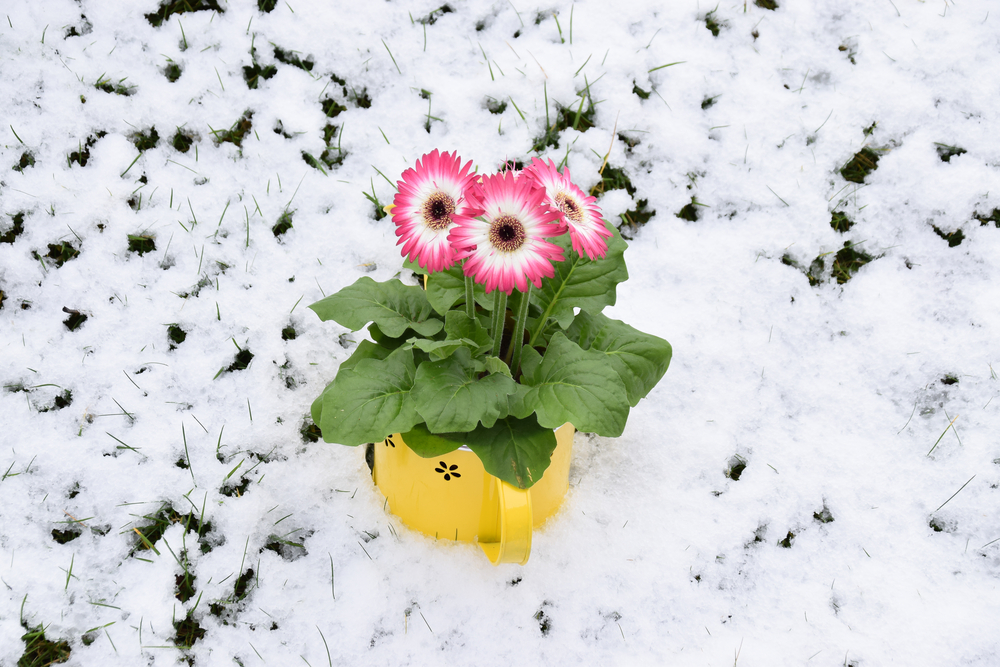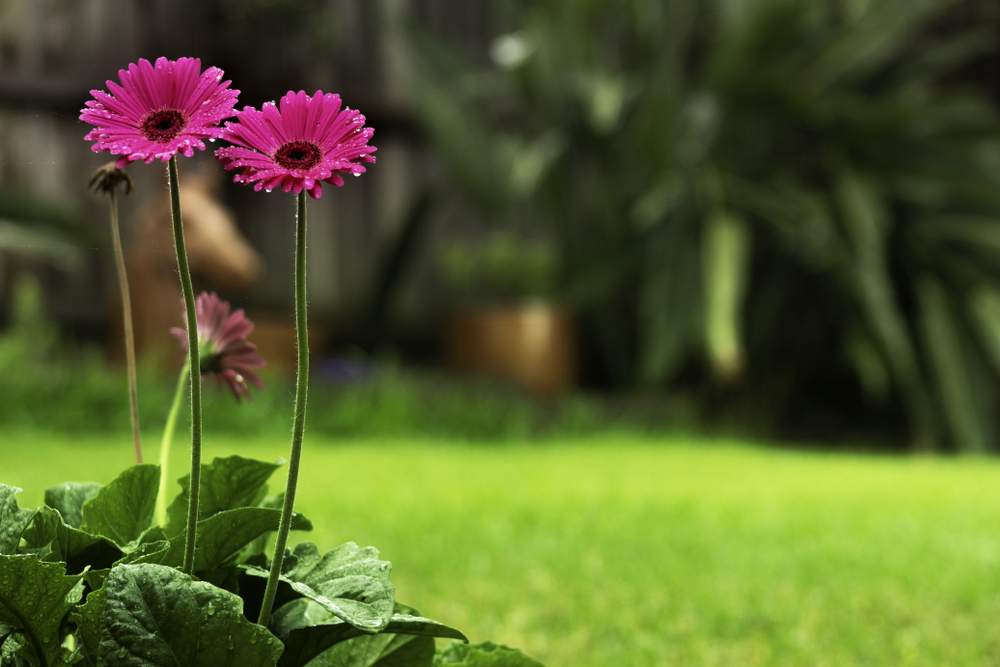
Originally hailing from the tropics, Gerberas aren’t naturally built for chilly winters. If you’re planning to add these beauties to your garden, it does take a little extra effort each year—but trust me, those vibrant blooms make it totally worth it!
Finding the Perfect Spot
Getting the location right is half the battle when it comes to keeping your Gerberas happy. You’ll want to pick a spot that stays bright and warm, but offers a little protection from the harsh, direct midday sun. Think “bright but filtered” for the best results.
Prepping the Soil
I’ll be honest: Gerberas can be a bit high-maintenance. They are heavy feeders, so nutrient-rich soil is a must. Plan on fertilizing them about once a month. They also love “goldilocks” moisture—they want the soil to stay consistently damp, but they absolutely hate having “wet feet” (standing water). Before you plant, make sure to loosen up the soil and mix in some good quality compost.
Getting Your Gerberas in the Ground
Since these plants are sensitive to the cold, it’s best to start them in pots first. Once May rolls around and the weather warms up, you can move them outdoors into your garden beds. Pro tip: Don’t bury them too deep! The top of the root crown should actually sit just above the soil line. Also, give them some breathing room by spacing each plant about a foot and a half apart.
When planting, keep these key factors in mind:
- A bright spot that isn’t in scorching direct sun
- Plenty of nutrients in the soil
- Loose soil enriched with compost
Caring for Your Flowers
Beyond that monthly fertilizer, the way you water makes a huge difference. Always water from the bottom to keep the foliage dry, and try to use soft water (rainwater from a barrel is perfect!). During those scorching summer days, you might even need to give them a drink a few times a day to keep them from wilting.
Winterizing Your Gerberas
Out of the 30 or so varieties out there, the “Garvinea” is really the only one that can handle a frost. For all other types, you’ll need to bring them inside for the winter if you want to see them again next year. Just carefully dig them up with plenty of soil and tuck them into a pot. Make sure they’re moved indoors by early October at the latest!