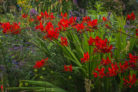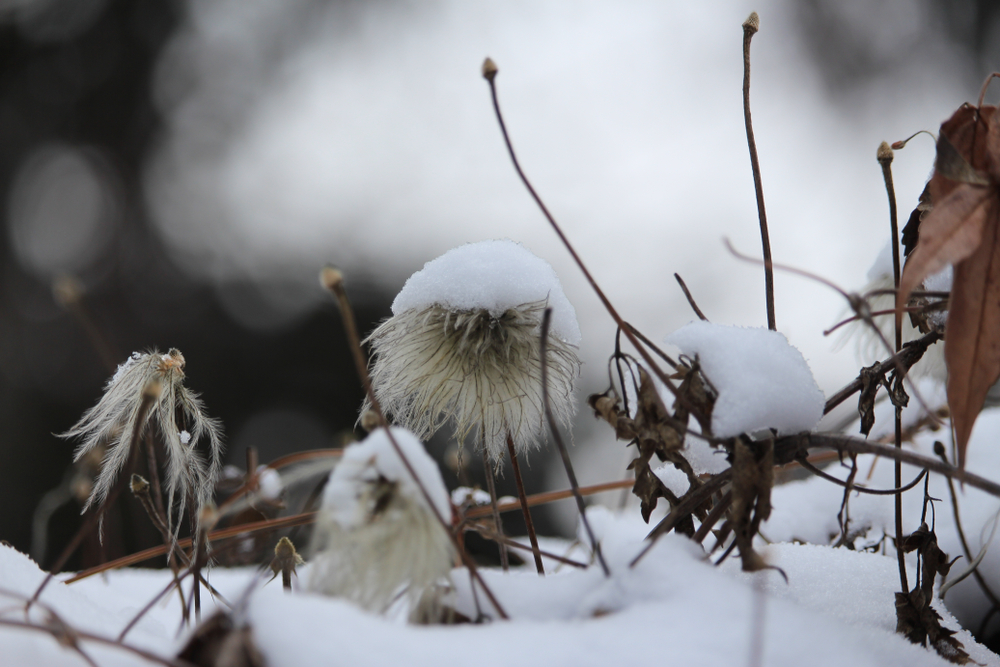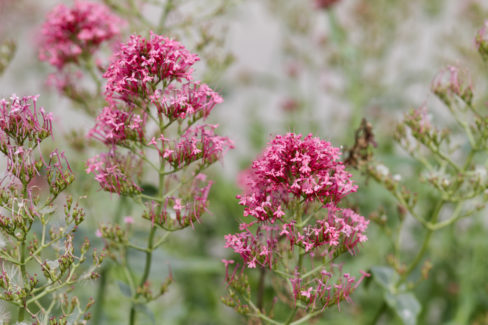
Red Valerian (also known as *Centranthus*) is a fantastic, hardy perennial that can handle a lot more than you might think. These tough beauties can survive temperatures as low as -4°F (-20°C) without breaking a sweat. For the most part, you can just leave them in the garden all winter long, though there are a few times when a little extra TLC goes a long way.
Red Valerian is Hardy Down to -4°F
Originally hailing from the Mediterranean, Red Valerian is actually quite used to chilly winters. Most garden centers rate it for frost tolerance down to about -4°F. Since it’s a perennial, it’ll die back in the winter and pop right back up every spring, making it a permanent resident in your flower beds.
Low Maintenance Winter Care
The great news is that Red Valerian is pretty self-sufficient. You don’t usually need to wrap it or cover it up. If you pruned your plants back in the fall, a pro tip is to just leave those clippings right on top of the soil.
While the plant doesn’t strictly *need* the cover, those old stems and leaves act as a natural mulch, helping the soil retain moisture and returning nutrients to the earth as they break down.
When to Offer a Little Extra Protection
Even though these plants are tough, there are two scenarios where you should step in:
- Young seedlings and new starts
- Plants that were started in pots
Protecting Young Plants from the Cold
Baby plants haven’t had the time to grow the deep, hardy root systems that older plants have. To make sure they make it through their first big freeze, it’s a good idea to cover them with some winter fleece or a thick layer of mulch.
Timing is also everything when you’re starting from seed. If you’re sowing directly in the garden, try to get them in the ground by September at the latest. This gives them enough time to toughen up before the first frost hits. I usually recommend skipping the pots and sowing seeds directly into your garden beds; “nursery-raised” seedlings started in pots tend to be a bit more sensitive to the cold and will definitely need extra protection if you move them outside late in the season.
A Note on Lifespan
Even though Red Valerian is a hardy perennial, don’t be surprised if individual plants don’t live forever. They have a relatively short lifespan and will naturally die off after a few years.
But don’t worry! If they like where they’re planted, they are excellent at self-seeding. Because they drop seeds so effectively, you’ll always have a fresh batch of young, vigorous plants ready to take over, keeping your garden looking full and vibrant year after year.