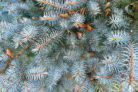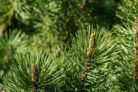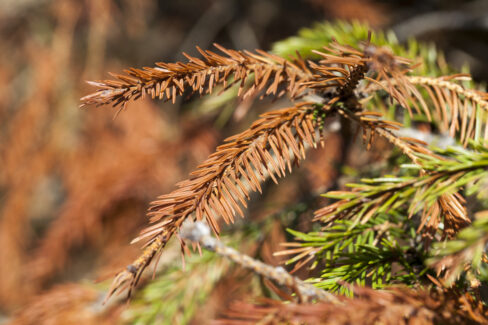
We usually think of evergreens as the tough guys of the garden—rugged, resilient, and ready for anything. But even these sturdy trees have their weak spots. The good news? Most issues can be avoided just by picking the right spot in your yard and keeping up with a little TLC.
Common Issues Caused by Location and Care
Believe it or not, many evergreen diseases start with a “stress signal” caused by poor planting or maintenance. If you want to keep your trees healthy, prevention is your best friend. A happy, vigorous tree is much better at fending off diseases and pests than one that’s struggling.
To keep your evergreens in tip-top shape, try to avoid these common stressors:
- Planting in a spot that doesn’t meet the tree’s light or soil needs.
- Soil that is heavily compacted (roots need to breathe!).
- Soil that is bone-dry or, conversely, constantly waterlogged.
- Messing up the fertilizing schedule.
- Long, dry periods of deep frost.
The Most Common Diseases
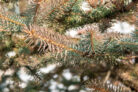
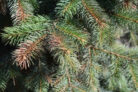
The biggest red flag that something is wrong is usually browning needles or branches. If you see your lush green tree turning rusty or brittle, it’s often a sign of a parasitic infection.
Here are the usual suspects you might run into:
- Rust fungi
- Needle cast (Needle browning)
- Gray mold (Botrytis)
- Root and stem rot
- Pestalotiopsis dieback
Dealing with Rust Fungi
There are quite a few types of rust fungi out there, and they all look a bit different. However, the end result is usually the same: the infected parts of the tree discolor and, in many cases, eventually die off.
Needle Cast (Needle Browning)
This is another fungal issue that causes needles to turn brown and drop prematurely. You’ll often start noticing the symptoms in early spring as the new growth tries to push through.
Gray Mold (Botrytis)
Gray mold loves a cold, damp spring. If the weather has been particularly rainy and chilly, keep an eye on the soft, young tips of your branches—if they start turning brown, Botrytis might be the culprit.
Root and Stem Rot
This nasty issue is caused by soil-borne fungi. It’s a major reason why good drainage is so important; wet, compacted soil allows the fungus to creep into the roots and eventually work its way up the trunk. Look for tell-tale purple patches on the affected areas.
Pestalotiopsis Dieback
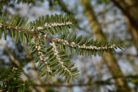
This parasite specifically targets weakened trees to sap their energy. A classic sign of this infection is when the very tips of the shoots start turning a distinct grayish color.
Know Your Tree’s Specific Risks
Keep in mind that not every evergreen is susceptible to every disease. Many fungi and pests are “specialists”—they might love your spruce but leave your pines completely alone. Knowing exactly what kind of tree you have is the first step in keeping it healthy!