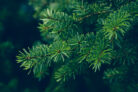
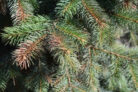
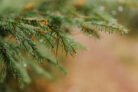
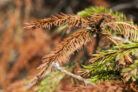
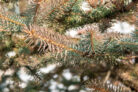
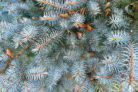
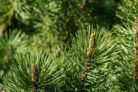
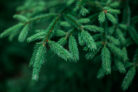
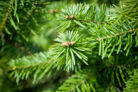
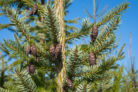
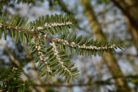
A healthy spruce tree is a beautiful sight, covered in those classic, tiny green needles we all love. But sometimes, you might notice those vibrant needles starting to turn a dull brown. If your tree is looking a little worse for wear, don’t panic! We’re going to dive into why this happens and what you can do to fix it.
Evergreen Needles
Spruces are famous for being evergreens. This means their needles stay on the tree year-round and should keep that deep green color through every season. Under normal conditions, they shouldn’t be turning brown or dropping off in large numbers.
Why Are the Needles Turning Brown?
If you notice your spruce turning brown or dropping needles like crazy, it’s usually the tree’s way of telling you something is wrong. The most common culprits are:
- A dried-out root ball (usually from a lack of water),
- Long periods of drought,
- Not enough nutrients in the soil,
- Or an unwanted visit from pests and diseases.
Dealing with Drought
The ideal spot for a spruce is somewhere with partial shade and soil that stays consistently moist. While these trees are pretty tough and can handle a short dry spell, a long-term drought can cause the root ball to dry out completely. When the tree can’t get enough water up to its branches, those brown needles are the first red flag.
Nutrient Deficiency
Spruces are a bit hungry—they really prefer soil that’s rich in nutrients. A magnesium deficiency is a common problem that can cause the tree to slowly decline, starting with—you guessed it—brown needles.
Pests and Diseases
Sometimes, pests are the ones causing the damage. The dreaded bark beetle and the Sitka spruce aphid are notorious for sucking the energy and nutrients right out of the tree. If left unchecked, they can unfortunately kill the entire tree.
Brown needles can also be a symptom of diseases, such as “Omorika decline” (Sirococcus shoot blight).
How to Prevent Brown Needles
The best way to keep your spruce green is through proper placement and a little TLC. Plant your tree in a sunny to partially shaded spot and make sure it gets plenty of water during those scorching summer days. Don’t forget to feed it the nutrients it needs! This is especially important for spruces growing in pots, as they dry out and run out of “food” much faster than trees in the ground.