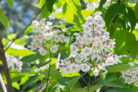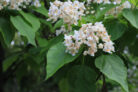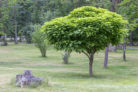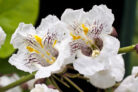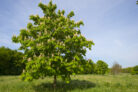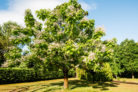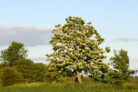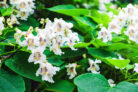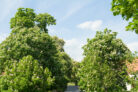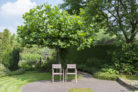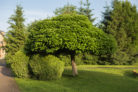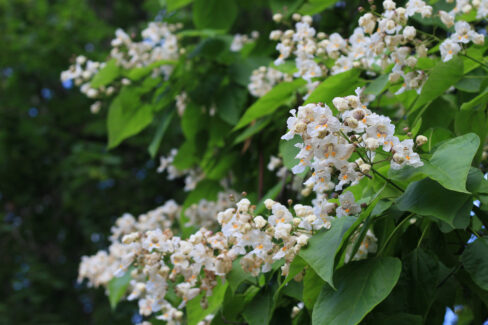
Even though the Catalpa tree (often called the Southern Catalpa or Cigar Tree) has been a staple in European landscapes since the 1700s, it still brings a wonderful, exotic flair to any backyard. If you pick the right spot, this beauty can grow into a massive, stunning centerpiece for your garden.
Where the Catalpa Tree Calls Home
The Catalpa tree is a true Southerner, originally hailing from the warm, sunny states of the U.S. Since the 18th century, it’s become a favorite ornamental tree in parks and gardens across Europe, loved for its unique look and shady canopy.
Ways to Grow Your Catalpa
You’ve got a few options when it comes to adding a Catalpa to your landscape. They work great as:
- A standalone “statement tree” in large yards or parks.
- Potted plants! Specifically, the dwarf varieties are perfect for containers and patios if you’re short on space.
The Sunnier, the Better
When it comes to location, think warm and bright. These “exotic” trees love soaking up the sun, and direct sunlight isn’t a problem for them. Just a quick tip: if you have a very young tree, you might want to provide a little shade during high noon to keep those tender new leaves from getting scorched.
One thing to watch out for is the wind. Try to find a spot that’s sheltered from heavy gusts, as drafty areas can really stress the tree out.
The Perfect Soil for Your Catalpa
In the wild, you’ll often find these trees hanging out near riverbanks and floodplains. This means they love soil that is nutrient-rich and stays slightly moist. Aim for soil that is neutral to slightly alkaline for the best results. To keep your tree happy and growing strong, make sure it gets plenty of water and a good supply of nutrients.
Give It Some Elbow Room
Don’t underestimate how big these guys can get! A full-grown Catalpa can reach heights of up to 60 feet, with a wide, spreading canopy to match. When you’re planting your tree, make sure you plan for that future growth. Give it plenty of space and keep it a good distance from other plants so it doesn’t end up crowding out its neighbors.
Keep an Eye on the Cold
While they are fairly hardy, Catalpas aren’t 100% winter-proof. Young trees (under five years old) are especially sensitive to frost and freezing temperatures. When choosing a spot, look for a protected area, and be ready to give your young saplings a little extra winter protection to prevent frost damage.