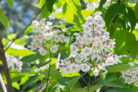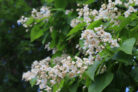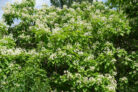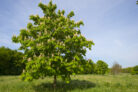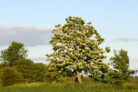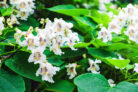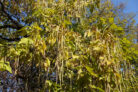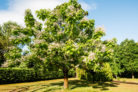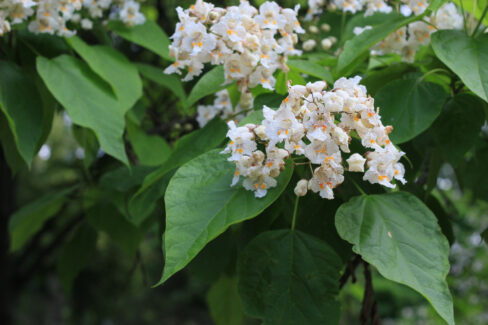
The Catalpa tree—or the Southern Catalpa, as many of us know it—started as a bit of an exotic curiosity, but it’s quickly become a favorite in backyards across the country. If you’re looking to add one to your landscape, there are a few things you’ll want to keep in mind to make sure its impressive growth stays on track.
Different Ways to Grow Your Catalpa
One of the cool things about Catalpas is their versatility. Depending on your space, you can choose to plant them:
- As a stunning focal point (solitary tree) in your yard
- Or in a large container or pot.
Growing Catalpas in Pots
Because these trees have such a vigorous growth habit, they really shine when they have room to spread out in the garden. However, they actually do quite well in pots for their first few years. Since their winter hardiness takes a few seasons to fully develop, starting them in a container is a smart move—it lets you move them to a sheltered spot during those harsh first winters. Just make sure you’re using high-quality soil and picking the right spot on your patio.
Finding the Perfect Spot
Before you grab the shovel, take a minute to scout out the best location. While you *can* move a tree later, it’s much easier to get it right the first time! Catalpas love soaking up the sun, so pick a bright, warm spot. They also appreciate a little protection from heavy winds and driving rain. As for the soil, they aren’t too picky, but they’ll be happiest in nutrient-rich dirt that drains well.
When to Plant
Technically, you can plant a Catalpa almost any time of year, especially if it’s coming from a nursery pot where the soil quality is already controlled. However, you don’t want to put a young tree in the ground right before a freeze—those tender young branches just can’t handle the frost yet. The absolute best planting time is in the spring, once you’re sure the last night frost has passed.
Give It Some Elbow Room
When you’re mapping out your garden, remember that Catalpas like their personal space. Because they grow so wide and tall, they can easily crowd out or shade neighboring plants. Give them plenty of room to breathe so they don’t end up competing with your other garden favorites.
Transplanting Your Catalpa
If your tree isn’t thriving in its current spot or it’s simply outgrowing its corner, you can transplant it to a new home. Just a heads-up: this is way easier to do while the tree is still young and small. Once a Catalpa establishes its root system and reaches a certain size, moving it becomes a much bigger (and tougher) project!